



Choosing the right formula for your baby can feel overwhelming, especially when feeding challenges arise. If your baby experiences frequent fussiness, digestive discomfort, excessive gas, or suspected sensitivities, your pediatrician may mention a hydrolyzed infant formula.
For many parents, this raises an important question: What is hydrolyzed infant formula, and how does it help?
Hydrolyzed formulas are designed to support babies who may have difficulty tolerating standard milk proteins. Understanding how these formulas work can help you feel more confident when discussing feeding options with your pediatrician.
This guide explains what hydrolyzed infant formula is, when it may be recommended, and the potential benefits for babies with feeding sensitivities.
At A Glance
- Hydrolyzed infant formula contains milk proteins that are broken down into smaller fragments, which may improve tolerance in babies with feeding sensitivities.
- Partially hydrolyzed formulas are typically used for mild digestive discomfort, while extensively hydrolyzed formulas are often recommended for diagnosed.
- Hydrolyzed formulas remain nutritionally complete and are designed to support normal infant growth and development.
- Feeding symptoms such as gas, fussiness, or reflux are not always caused by formula alone; pediatric evaluation helps guide appropriate formula decisions.
- Insurance Covered Baby Formula helps families explore potential insurance coverage for medically necessary formulas and manage required documentation.
What Is Hydrolyzed Infant Formula?
Hydrolyzed infant formula is a type of formula in which milk proteins are broken down into smaller pieces. This process, called hydrolysis, makes proteins easier for some babies to digest.
Instead of intact cow’s milk proteins, these formulas contain modified proteins designed to reduce the likelihood of feeding-related discomfort or immune reactions.
Hydrolyzed formulas generally fall into two categories:
- Partially hydrolyzed formulas
- Extensively hydrolyzed formulas
The level of protein breakdown influences how the formula is used.
Suggested Read: A New Parent’s Guide To Cluster Feeding
Types of Hydrolyzed Formula: Two Categories
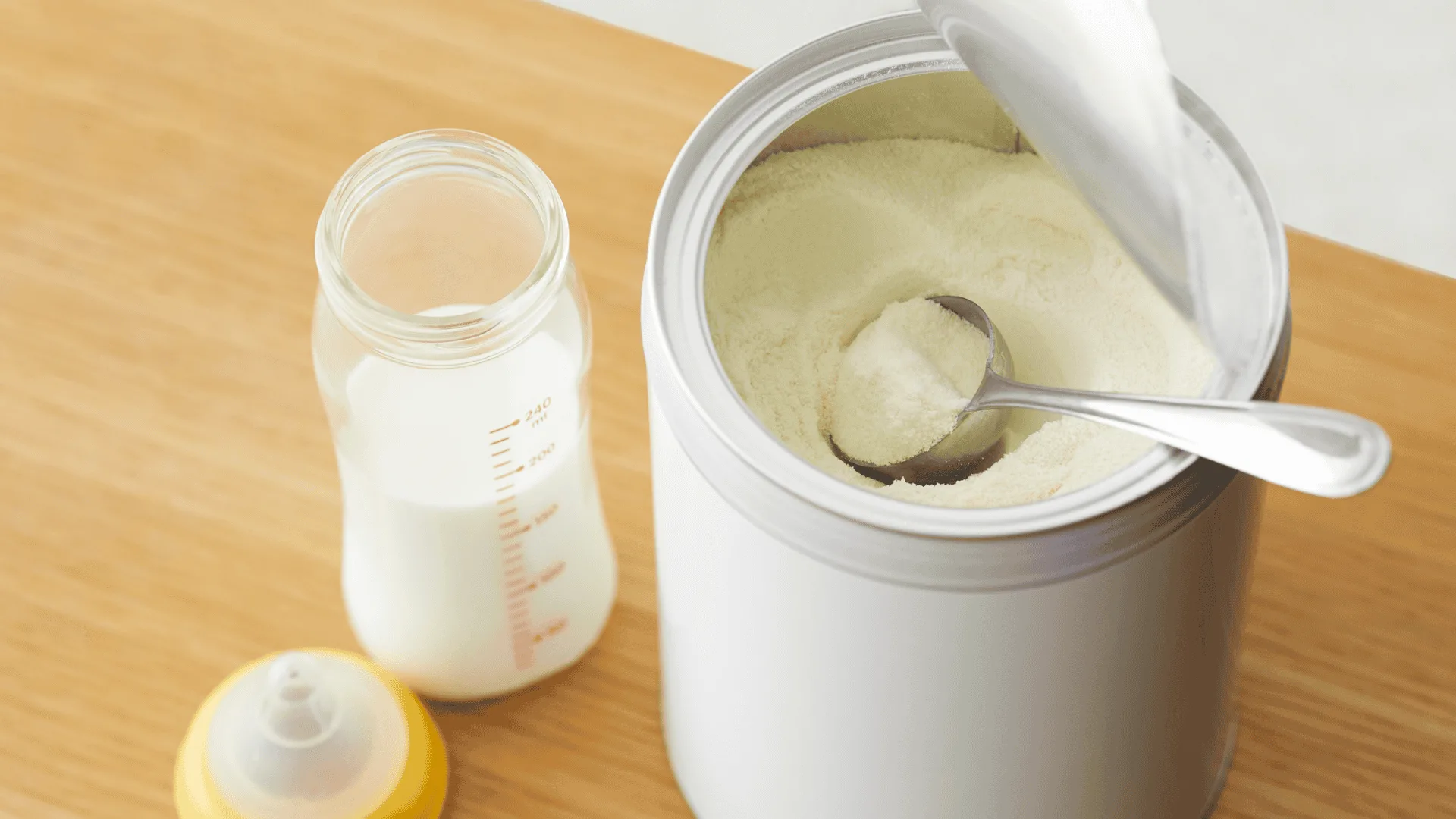

Hydrolyzed infant formulas are classified based on how extensively the milk proteins are broken down. These categories help determine which formulas may be suitable for babies with different feeding sensitivities or medical needs.
The two main categories include partially hydrolyzed formulas and extensively hydrolyzed formulas. The difference lies in the size of the protein fragments.
Partially Hydrolyzed Formulas
Partially hydrolyzed formulas contain cow’s milk proteins that are broken down into smaller fragments. The proteins are easier to digest than intact milk proteins, but are not fully broken down.
These formulas are typically used for babies with mild digestive sensitivities rather than diagnosed medical conditions.
Partially hydrolyzed formulas may be considered for babies who:
- Experience mild digestive discomfort
- Show signs of gassiness
- Have feeding-related fussiness
- Demonstrate difficulty tolerating standard formulas
Partially hydrolyzed formulas are not appropriate for babies with confirmed cow’s milk protein allergy.
Although the proteins are smaller, they remain structurally similar to intact milk proteins. Babies with true milk allergy may still react to these formulas.
In practical terms, partially hydrolyzed formulas support digestion but do not eliminate allergenic proteins.
Extensively Hydrolyzed Formulas
Extensively hydrolyzed formulas contain milk proteins that are broken down into very small fragments. This significant protein modification reduces the likelihood of triggering immune responses in sensitive infants. These formulas are typically recommended for babies with diagnosed feeding intolerance or cow’s milk protein allergy.
Extensively hydrolyzed formulas may be recommended for babies who:
- Have confirmed cow’s milk protein allergy
- Experience persistent digestive intolerance
- Show ongoing feeding-related distress
- Do not tolerate standard formulas
Because the proteins are highly broken down, these formulas are designed to improve tolerance in babies with protein sensitivity.
Extensively hydrolyzed formulas are generally introduced under pediatric guidance to ensure appropriate symptom management and growth monitoring.
Suggested Read: Comfortable Breastfeeding Positions You Can Try
8 Ultimate Benefits of Hydrolyzed Infant Formula for Babies
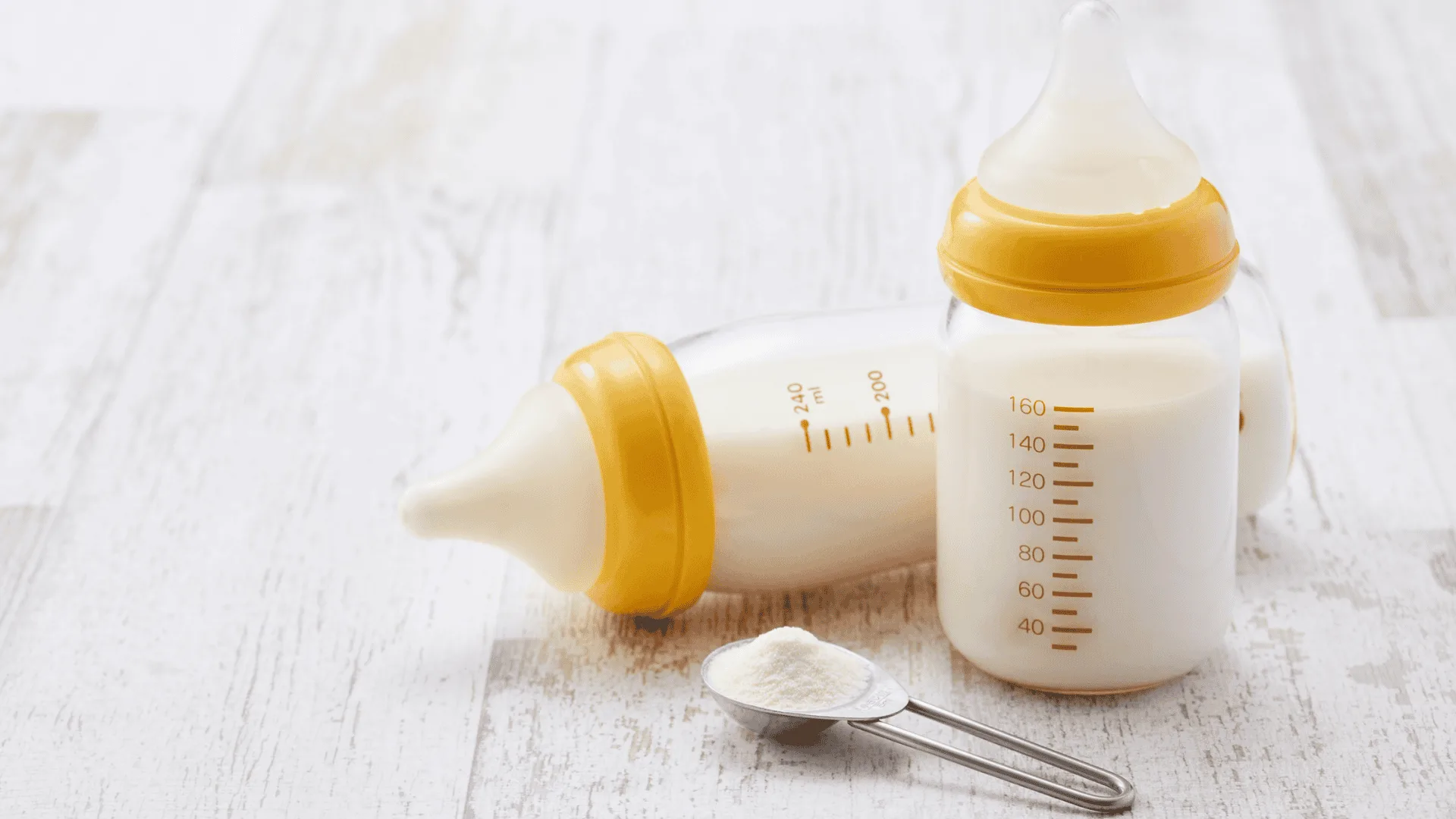
Hydrolyzed infant formula is designed to support babies who may have difficulty tolerating standard cow’s milk proteins. By breaking proteins into smaller fragments, these formulas aim to improve feeding tolerance and digestive comfort in sensitive infants.
While not every baby requires hydrolyzed formula, these formulas may offer benefits when feeding challenges are linked to protein sensitivity or intolerance.
1. Improved Protein Digestibility
Hydrolyzed formulas contain milk proteins that have been broken down into smaller fragments. This structural modification can make proteins easier for some infants to process compared with intact milk proteins found in standard formulas.
How this helps: Smaller protein fragments may reduce digestive strain, allowing babies to tolerate feedings more comfortably. Improved digestibility may contribute to smoother feeding experiences, particularly in infants with protein sensitivity.
2. Enhanced Feeding Tolerance
Some babies experience difficulty tolerating standard cow’s milk-based formulas due to how their bodies respond to intact proteins. Feeding intolerance can manifest as discomfort, irritability, or persistent digestive symptoms.
How this helps: Protein breakdown may decrease the likelihood of feeding-related reactions, potentially improving overall tolerance. Babies may feed with less discomfort when proteins are easier to digest.
3. Alternative for Babies With Protein Sensitivity

Some babies demonstrate sensitivity to intact cow’s milk proteins without requiring highly specialized formulas. Hydrolyzed formulas offer an intermediate nutritional approach designed to improve tolerance while preserving nutritional completeness.
How this helps: Provides a modified feeding option when standard formulas are not well tolerated. Babies may benefit from protein modification without transitioning immediately to more restrictive formulas.
4. Maintains Complete Nutrition
Hydrolyzed formulas are designed to remain nutritionally balanced despite protein modification. These formulas continue to provide essential macronutrients, vitamins, and minerals required for healthy infant growth and development.
How this helps: Babies receive full nutritional support while addressing feeding sensitivities. Growth and development remain properly supported.
5. Reduced Allergenic Potential (Compared to Standard Formula)
Extensively hydrolyzed formulas are designed to reduce the likelihood of immune activation compared to intact cow’s milk proteins.
How this helps: Smaller protein fragments are less likely to trigger allergic responses in clinically sensitive infants.
6. Suitable for Elimination Diet Trials (Under Medical Guidance)
The hydrolyzed formula is sometimes used during supervised elimination trials to determine protein-related sensitivities.
How this helps: It can help clinicians evaluate whether symptoms are linked to intact cow’s milk proteins.
7. May Support Improved Sleep When Feeding Discomfort Is Reduced
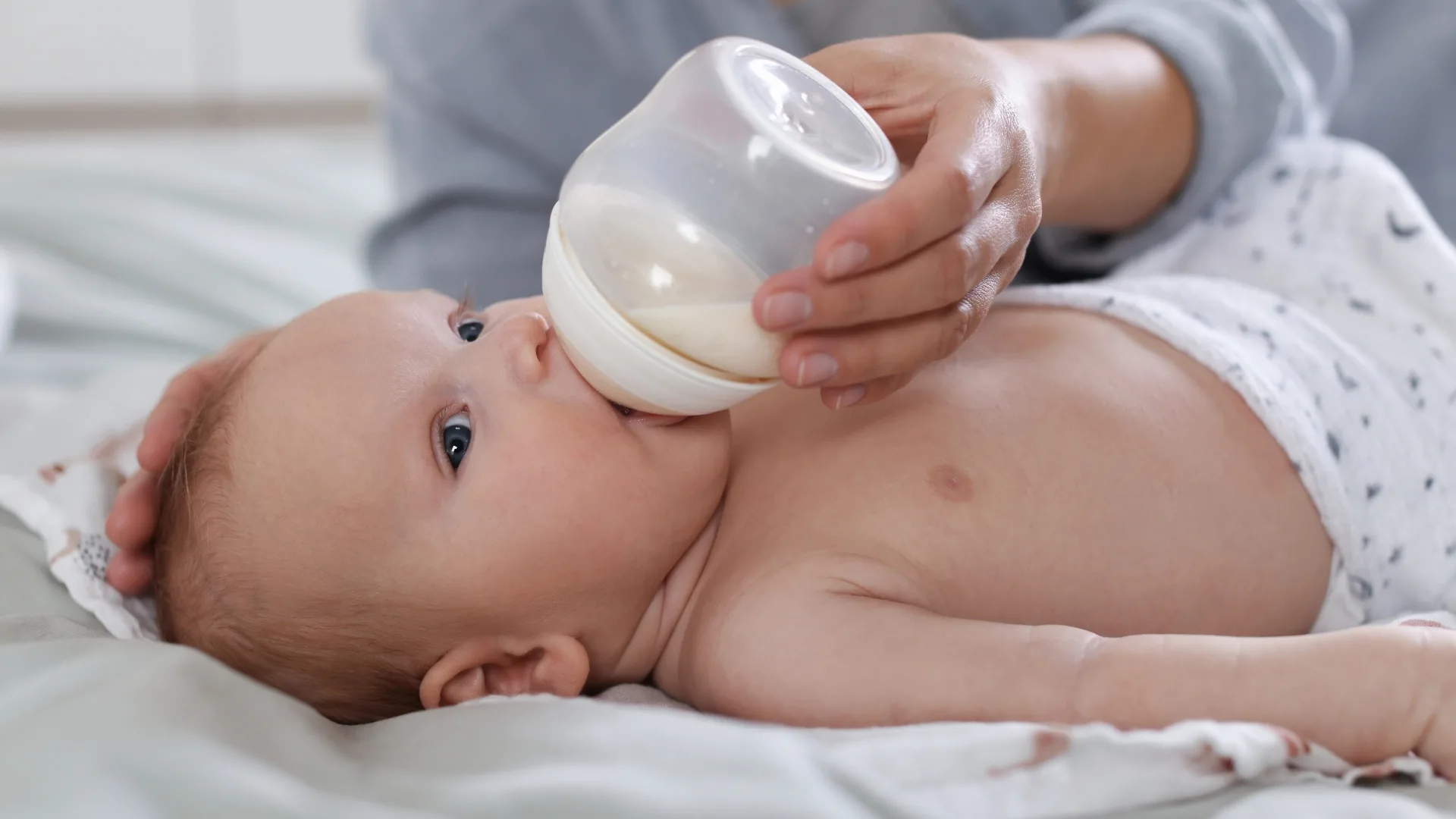
If feeding-related discomfort improves, babies may settle more easily during and after feeds. When digestion feels more comfortable, some infants may experience fewer night-time disruptions linked to feeding distress.
How this helps: Less feeding discomfort may reduce fussiness and night wakings. When babies feel more comfortable, they may settle more easily and rest more consistently.
8. Evidence-Based Feeding Strategy
Hydrolyzed formulas are part of structured pediatric feeding approaches used to manage feeding intolerance. These formulas offer healthcare providers an evidence-based nutritional option when addressing tolerance concerns.
How this helps: Formula selection is guided by clinical evaluation rather than trial and error. Supports targeted feeding decisions.
Suggested Read: Prenatal Vitamins Explained: Finding the Best Formula with Folic Acid
Comparing Hydrolyzed Formulas to Standard Formulas
Standard infant formulas are designed for babies who tolerate intact cow’s milk proteins without difficulty. Hydrolyzed formulas, on the other hand, modify protein structure to support babies who may experience feeding sensitivities or intolerance.
While both formula types provide complete nutrition, their protein composition and typical use cases differ.
| Feature | Standard Infant Formula | Hydrolyzed Infant Formula |
| Protein structure | Intact cow’s milk proteins | Proteins are broken down into smaller fragments |
| Digestibility | Suitable for babies with typical digestion | Designed for babies with protein sensitivity |
| Primary purpose | Routine infant nutrition | Feeding tolerance and digestive support |
| Tolerance profile | Well tolerated by most healthy infants | May improve tolerance in sensitive babies |
| Use cases | Babies are feeding comfortably without issues | Babies with suspected intolerance or sensitivity |
| Allergy suitability | Not suitable for milk protein allergy | Extensively hydrolyzed options may be used |
| Feeding comfort | Depends on individual tolerance | May support improved feeding comfort |
| Taste and smell | Mild, milk-like profile | Often slightly different due to protein breakdown |
| Cost | Typically lower | Often higher due to specialized processing |
| Pediatric guidance | Commonly used without a prescription | Often recommended based on symptoms |
Both formulas are nutritionally complete. Formula selection is typically guided by feeding tolerance, digestive comfort, and pediatric evaluation rather than formula category alone.
How Pediatricians Decide Between Standard and Hydrolyzed Formulas

Choosing between a standard infant formula and a hydrolyzed formula is typically based on how a baby tolerates feedings rather than formula preference alone. Pediatricians evaluate feeding patterns, digestive comfort, and overall growth before recommending any formula adjustments.
Because many infant feeding symptoms overlap, formula decisions are guided by clinical observation.
Healthcare providers commonly consider:
- Feeding tolerance: Whether the baby feeds comfortably without persistent distress or discomfort.
- Digestive patterns: Stool consistency, gas levels, spit-up frequency, and signs of digestive sensitivity.
- Growth and weight gain: Whether the baby is growing consistently along expected developmental trends.
- Presence of persistent symptoms: Ongoing fussiness, feeding-related irritability, reflux complications, or digestive discomfort.
- Signs of protein sensitivity: Reactions that may suggest difficulty tolerating intact milk proteins.
- Response to prior feeding adjustments: Whether symptoms improved with changes in feeding volume, frequency, or technique.
- Medical history: Prematurity, diagnosed allergies, or other feeding-related conditions.
- Severity and duration of symptoms: Distinguishing between temporary feeding challenges and ongoing intolerance.
Hydrolyzed formulas are typically recommended when symptoms suggest difficulty tolerating intact milk proteins. For babies feeding comfortably and growing well, pediatricians often recommend continuing with standard formula.
Suggested read: How to Freeze Breast Milk in Bags Safely (Step-by-Step Guide)
How Insurance Covered Baby Formula Can Help
Hydrolyzed infant formulas are often recommended when babies experience feeding sensitivities, digestive discomfort, or difficulty tolerating standard formulas. In these cases, the formula choice may reflect a clinical need rather than preference.
Insurance Covered Baby Formula helps families explore potential insurance coverage for medically necessary formulas while simplifying the approval process.
Here’s how we support you:
- Insurance verification: We review your insurance benefits to determine whether prescribed specialty formulas may be covered under your plan.
- Paperwork coordination: Our team assists with managing required documentation and authorization steps, helping reduce administrative stress.
- Coordination with your pediatrician: We help ensure the necessary clinical information is submitted to support coverage review.
- Home delivery support: When coverage is approved, formulas can often be shipped directly to your home for added convenience.
Coverage varies by insurance plan and medical criteria. Our team helps you understand your options before moving forward.
Conclusion
Hydrolyzed infant formula can play an important role in supporting babies who experience feeding sensitivities or difficulty tolerating intact milk proteins. While many infants thrive on standard formulas, some babies benefit from modified protein structures that may improve digestive comfort and feeding tolerance.
Understanding when hydrolyzed formulas are appropriate helps parents make more confident and informed feeding decisions. If your pediatrician has recommended a hydrolyzed or specialty formula, Insurance Covered Baby Formula helps families explore potential insurance coverage and manage the approval process with greater clarity.
Speak with one of our specialists today to understand your coverage options and access a medically necessary formula with less stress. Check your insurance coverage for baby formula today.
FAQs
1. What is hydrolyzed infant formula?
Hydrolyzed infant formula contains milk proteins that have been broken down into smaller fragments. This modification may help babies who have difficulty tolerating intact cow’s milk proteins found in standard formulas.
2. How is hydrolyzed formula different from regular formula?
Standard formulas contain intact milk proteins, while hydrolyzed formulas use proteins that are partially or extensively broken down. This structural difference may improve tolerance in babies with feeding sensitivities.
3. Which babies may benefit from hydrolyzed formula?
Hydrolyzed formulas are often considered for babies experiencing digestive discomfort, feeding intolerance, or suspected protein sensitivity. Pediatric evaluation helps determine whether this formula type is appropriate.
4. Is hydrolyzed formula used for milk allergy?
Extensively hydrolyzed formulas may be recommended for babies with diagnosed cow’s milk protein allergy. Partially hydrolyzed formulas are not suitable for treating confirmed allergies.
5. Can hydrolyzed formula help with digestive discomfort?
For some babies, modified protein structures may improve feeding tolerance. However, digestive symptoms can have multiple causes, so pediatric guidance is important before making formula changes.
6. Does hydrolyzed formula reduce spit-up or reflux?
Hydrolyzed formulas may improve tolerance in babies with protein sensitivity, which can sometimes influence feeding comfort. Reflux, however, has many contributing factors.
7. Is hydrolyzed infant formula nutritionally complete?
Yes. Hydrolyzed formulas are designed to provide complete nutrition, including proteins, fats, carbohydrates, vitamins, and minerals required for infant growth.
8. Does hydrolyzed formula taste different?
Yes. Because proteins are broken down, hydrolyzed formulas often have a slightly different taste and smell compared with standard formulas.