



When your baby seems uncomfortable after feeds, every ingredient label starts to feel personal. You may be hearing different opinions from family, online forums, or even well-meaning friends, and now “soy formula” is on the table. That can bring a fresh wave of questions: Is soy formula safe? When is it actually recommended? And how do I choose the best soy formula for babies without overthinking every detail?
It helps to know that soy formulas have been used for decades and can be a helpful option in specific situations. But soy isn’t automatically the “next step” for every baby who struggles with standard formula. The best choice depends on why your baby is having symptoms and what your pediatrician is treating.
This guide explains what soy formula is, when it’s typically recommended, safety considerations, and the soy formula options pediatricians commonly discuss, so you can move forward with more clarity and less stress.
Before We Dive Into
- Soy infant formula is a lactose-free, non-dairy alternative made with soy protein instead of cow’s milk protein.
- Pediatricians typically recommend soy formula for specific medical or dietary reasons, not simply for routine gas or fussiness.
- Soy formula may be considered in conditions like galactosemia, rare lactose-related disorders, or when families prefer vegetarian feeding options.
- Babies with confirmed cow’s milk protein allergy may also react to soy, making hypoallergenic formulas a more common first-line choice.
- Cost and accessibility matter, especially for specialty formulas; insurance coverage may be available in medically necessary cases.
- Choosing the best soy formula for babies is less about brand comparison and more about matching your baby’s unique feeding needs.
What Is Soy Infant Formula?
Soy infant formula is made with soy protein instead of cow’s milk protein. The soy protein is processed and balanced with carbohydrates, fats, vitamins, and minerals to meet infant nutrition standards. Most soy formulas are also lactose-free, which is why they’re sometimes discussed when families are exploring lactose-related concerns or dietary preferences.
Soy formula is not the same as plant “milk” products (like almond or oat drinks). Those are not appropriate as infant formula substitutes.
Is Soy Formula Safe for Babies?
For most healthy, full-term infants, soy formula is considered safe when used correctly and prepared as directed. Like all infant formulas, soy formula is required to meet strict nutritional standards, so babies receive complete nourishment during a stage when milk feeding is the primary source of nutrition.
Safety points pediatricians commonly consider
- Growth support: Soy formulas are designed to support normal growth in full-term infants.
- Digestive tolerance: Many babies tolerate soy well, but every baby is different.
- Premature infants: Soy formula is generally not recommended for premature babies due to their unique nutrition needs.
- Allergy considerations: Some babies with cow’s milk protein allergy also react to soy protein, so pediatric guidance matters.
- Phytoestrogens: Soy contains naturally occurring isoflavones. Research over time has not shown clear evidence of harm in typical use for full-term infants, but soy is still reserved for specific indications rather than routine switching.
Situations Where Soy Formula May Be Considered


Soy infant formula is not typically a first-line choice for every baby, but it can be a useful and medically appropriate option in certain situations. Like all infant formulas, soy formulas are designed to provide complete nutrition when breastfeeding is not possible or when supplementation is needed.
Rather than being a “better” or “gentler” formula by default, soy formula is usually selected based on specific feeding needs, medical conditions, or family preferences.
Soy formula may be considered when:
- Galactosemia is diagnosed: Babies with this rare metabolic condition cannot properly process galactose, making lactose-containing formulas unsuitable.
- Lactose avoidance is medically indicated: In some temporary digestive conditions, pediatricians may recommend lactose-free feeding approaches.
- Families prefer a vegetarian feeding option: Soy formula provides a non-dairy alternative for families avoiding animal-based products.
- Milk-based formulas are not well tolerated: In select intolerance patterns, soy may be explored under pediatric guidance.
- Cultural or dietary considerations influence feeding choices: Some families choose soy-based nutrition based on lifestyle or dietary frameworks.
- Specific digestive sensitivities are suspected: Soy formula may be evaluated when symptoms suggest difficulty tolerating certain milk components.
- A pediatrician recommends it as part of a feeding plan: Formula choice is often guided by clinical assessment rather than isolated symptoms.
It’s important to remember that soy formula is not suitable for every feeding concern.
For example:
- Babies with confirmed cow’s milk protein allergy may also react to soy protein.
- Premature infants usually require specialized preterm formulas rather than soy-based options.
- Colic, gas, or fussiness alone do not automatically indicate a need for soy formula.
Because many infant symptoms overlap with normal developmental behaviors, pediatricians prioritize clinical assessment before recommending formula changes.
Suggested Read: Comfortable Breastfeeding Positions You Can Try
Potential Considerations When Using Soy-Based Formula

Soy-based formulas are considered safe and nutritionally complete for many babies. However, like any feeding choice, they are not universally appropriate for every infant. Understanding potential considerations helps parents make informed decisions alongside their pediatrician.
Some factors healthcare providers may evaluate include:
- Soy Protein Sensitivity: A small percentage of babies with cow’s milk protein allergy may also react to soy proteins. This is more common in infants with certain types of milk allergy, particularly non-IgE-mediated reactions.
- Digestive Tolerance Variability: While many babies tolerate soy well, others may still experience gas, fussiness, or stool changes. Feeding responses are highly individual.
- Phytoestrogens (Isoflavones): Soy naturally contains compounds called isoflavones. Current research has not shown consistent harmful effects in healthy infants, but this remains a topic parents often discuss with pediatricians.
- Not Ideal for Premature Babies: Soy formulas are generally not recommended for premature or very low birth weight infants, as they may not optimally support early growth needs.
- Mineral Absorption Differences: Soy formulas may affect the absorption of certain minerals. Commercial formulas are fortified to compensate, which is why regulated products remain important.
- Medical Suitability Matters: Soy formula is not typically the first-line option for treating cow’s milk protein allergy, especially in younger infants.
Most babies who use soy formula grow and develop normally. The key is selecting a formula based on medical guidance, feeding tolerance, and growth patterns rather than assumptions.
Top 4 Soy-Based Infant Formulas Worth Considering
When choosing the best soy formula for babies, the goal is to find a nutritionally complete, lactose-free feeding option that suits your baby’s specific needs. The formulas below are commonly used when pediatricians consider soy-based feeding appropriate.
1. Similac Soy Isomil
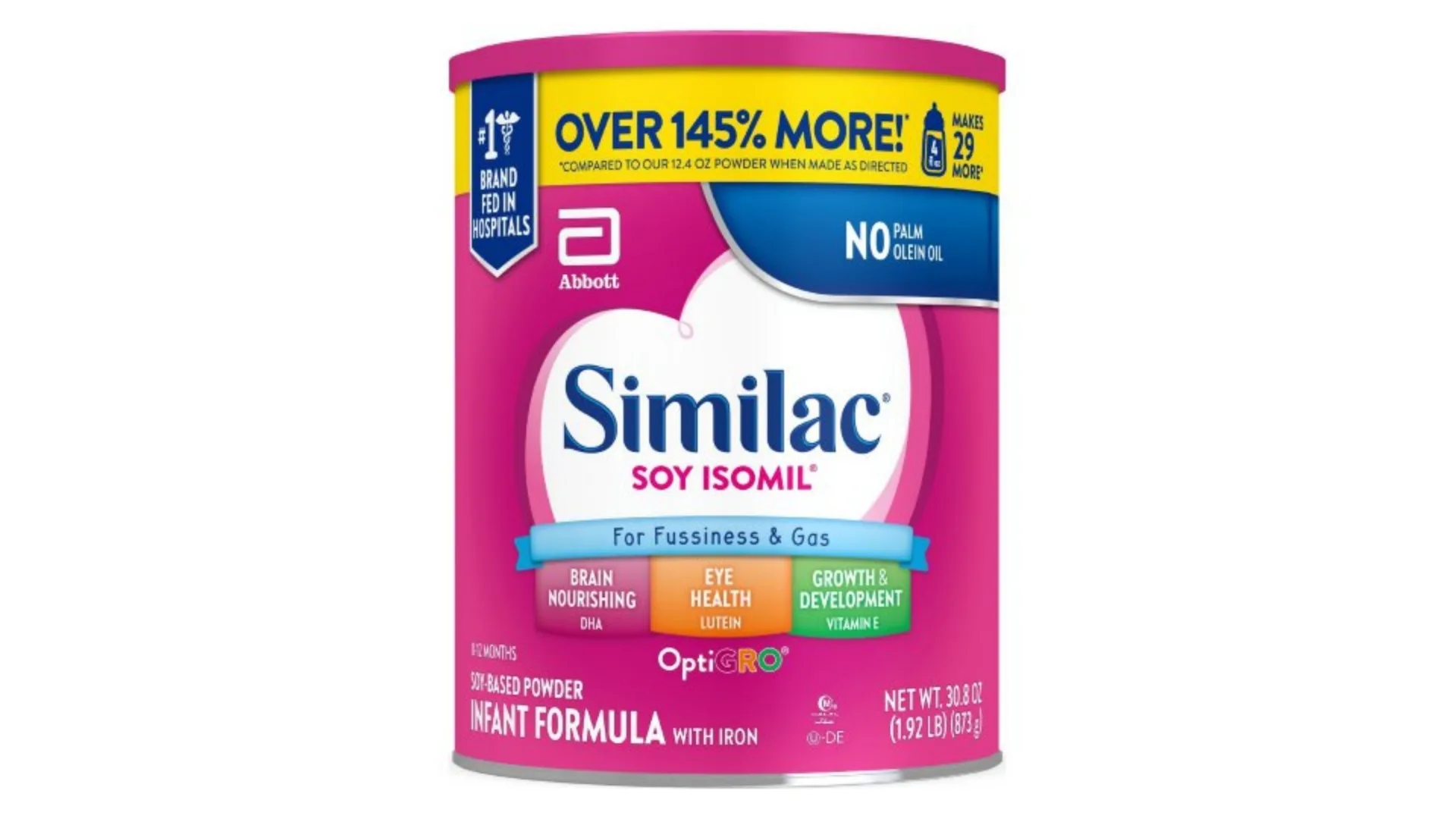
A widely recognized soy-based infant formula that provides complete nutrition without milk-derived proteins.
Key Features:
• Soy protein, based and lactose-free
• Enriched with iron, vitamins, and minerals
• Includes nutrients to support brain and eye development
How It Helps: Designed for babies requiring a non-dairy feeding option, it helps support balanced growth while offering an alternative when milk proteins are poorly tolerated.
Approx. Price: $18 – $30 per standard can
2. Enfamil ProSobee Soy Formula
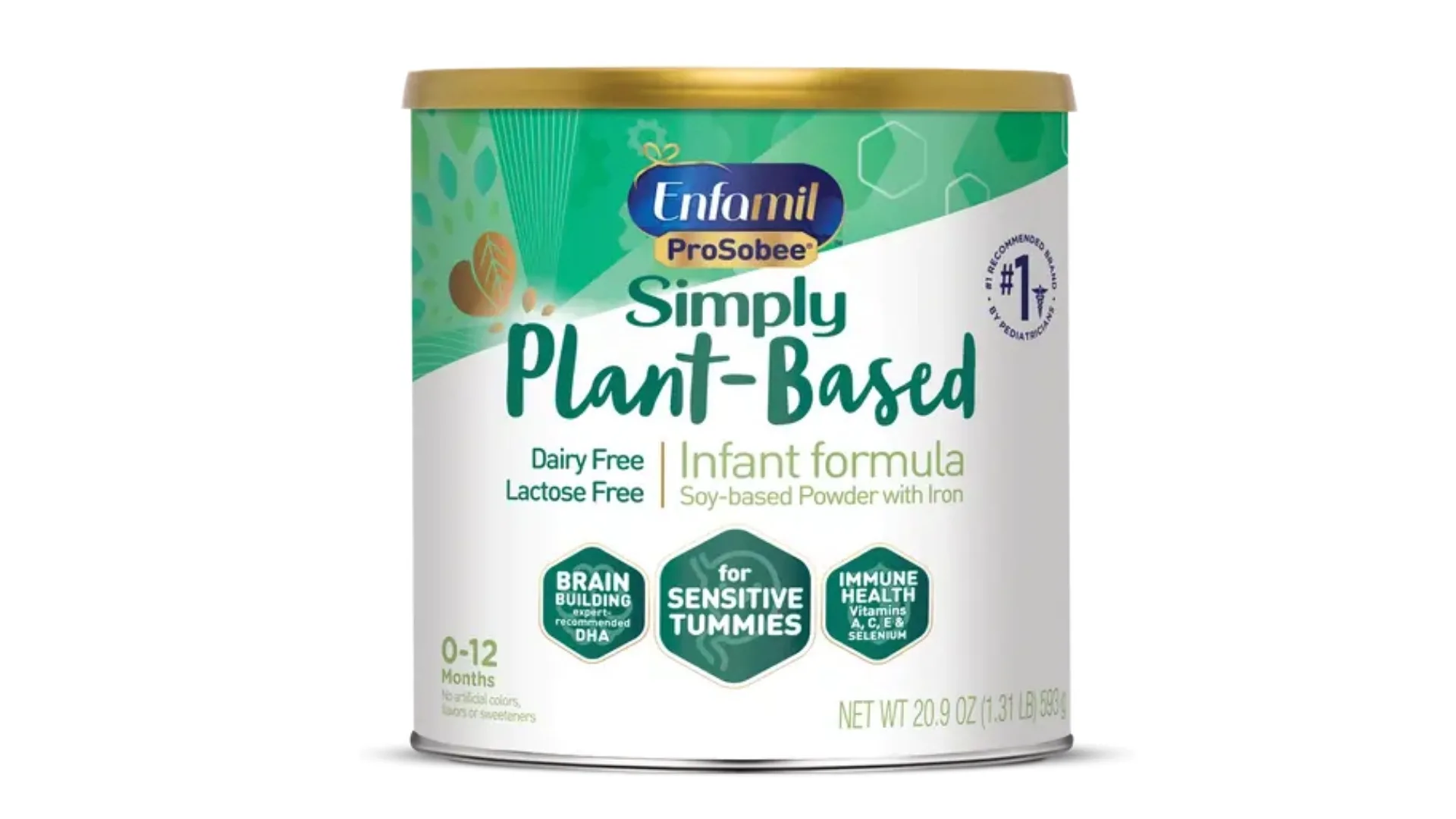
A gentle, lactose-free soy formula developed to be easy on digestion.
Key Features:
• Plant-based protein source
• Lactose-free
• Contains essential fats and micronutrients
How It Helps: Provides complete infant nutrition while avoiding dairy proteins and lactose, making it suitable for babies with specific feeding needs.
Approx. Price: $20 – $32 per standard can
3. Gerber Good Start Soy Formula
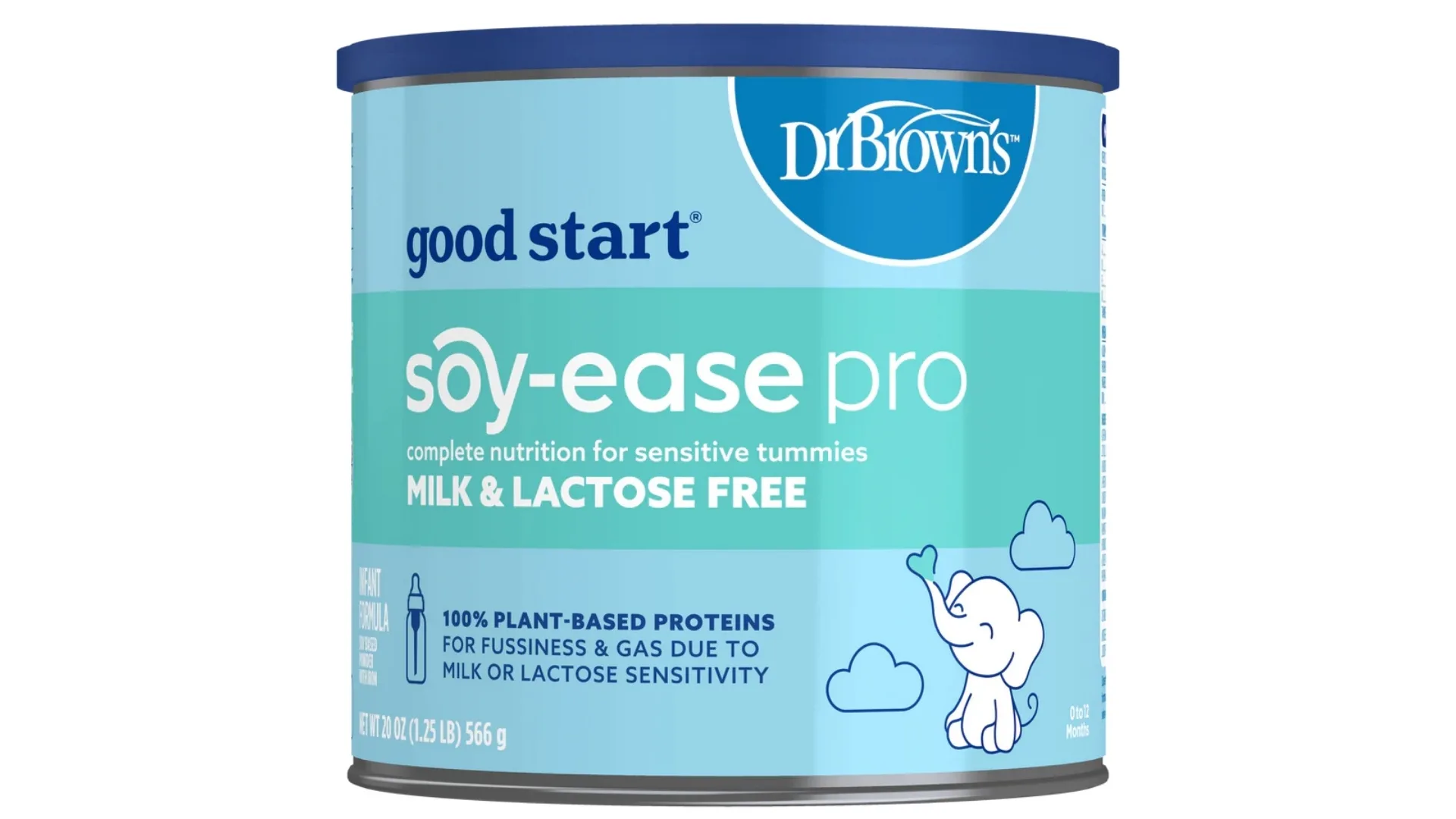
A soy-based formula fortified with iron and essential nutrients that support infant development.
Key Features:
• Non-GMO soy protein
• Iron-fortified
• Nutrition tailored for early growth
How It Helps: Offers a balanced soy-based nutrition option that may be easier to tolerate for babies needing lactose-free feeding under pediatric guidance.
Approx. Price: $20 – $35 per standard can
4. Earth’s Best Organic Soy Infant Formula
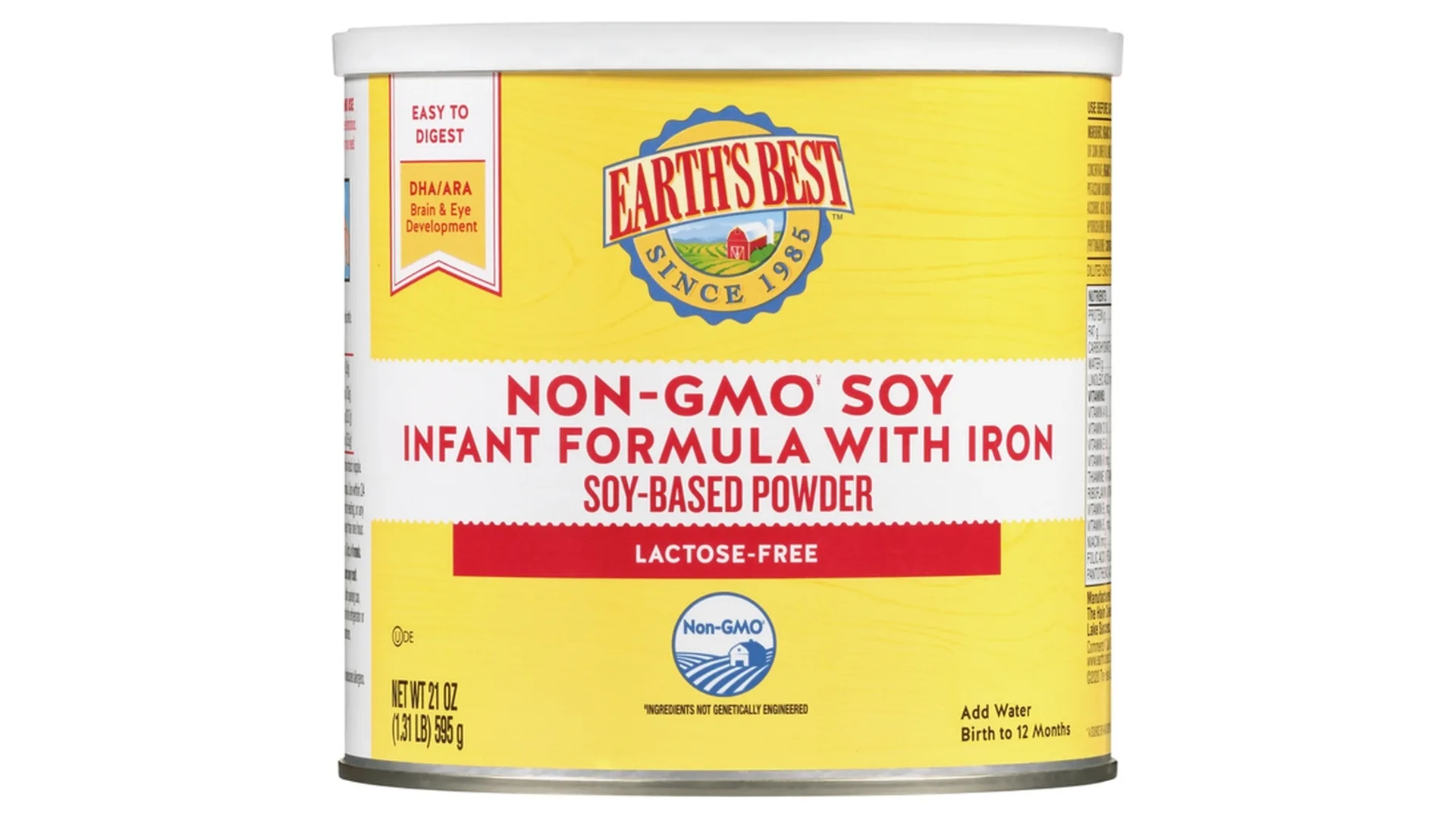
A soy infant formula made with certified organic ingredients for families who prioritize organic sourcing.
Key Features:
• Organic soy protein
• No artificial additives
• Complete nutrients for infants
How It Helps: Combines plant-based, organic ingredients with complete nutrition, providing a soy feeding choice for families with dietary preferences.
Approx. Price: $24 – $38 per standard can
Suggested Read: A New Parent’s Guide To Cluster Feeding
How to Choose Between Soy Formula Options
Selecting the best soy formula for your baby doesn’t have to feel overwhelming. Instead of focusing solely on brand names or packaging claims, it’s more effective to think about your baby’s specific nutritional needs, feeding tolerance, and what you and your pediatrician want to achieve with the formula.
Consider these key points when deciding between soy formula options:
- Your Baby’s Feeding Needs: Assess why soy formula is being considered in the first place, whether due to lactose intolerance concerns, dietary preferences, or guidance from your pediatrician. This helps narrow your choices to formulas that match the intended purpose.
- Digestive Tolerance: Observe how your baby responds to different formulas. Signs of better tolerance include fewer spit-ups, less gas, softer stools, and calmer feeds. A formula that aligns with your baby’s digestive comfort often results in more consistent feeding success.
- Nutritional Completeness: Ensure the formula you choose contains all essential nutrients required for infant growth, including iron, healthy fats, vitamins, and minerals. Complete nutrition supports growth, brain development, and overall health.
- Preparation Style (Powder vs Ready-to-Feed): Powdered formulas are often more cost-effective, while ready-to-feed options are sterile and convenient, which can be particularly useful for babies with immune sensitivities or feeding challenges.
- Cost and Accessibility: While cost shouldn’t be the only factor, it’s practical to consider whether a formula is sustainably affordable or if insurance coverage may apply based on medical necessity.
- Ingredient Preferences: Some families may prefer formulas without artificial additives or with organic ingredients. While preferences matter, nutritional suitability and pediatric guidance take priority.
By evaluating soy formula options through these lenses, nutritional needs, feeding tolerance, pediatric guidance, and practical considerations, you can make a decision that supports your baby’s comfort, growth, and long-term well-being.
Suggested Read: Prenatal Vitamins Explained: Finding the Best Formula with Folic Acid
How Insurance Covered Baby Formula Can Support You
When your pediatrician recommends a specialty formula, handling insurance coverage can feel overwhelming. Insurance Covered Baby Formula helps families review potential coverage options for medically necessary formulas.
- Eligibility verification: We check whether your insurance plan may cover prescribed formulas, including soy-based and other specialty medical formulas.
- Paperwork coordination: Insurance approvals often require documentation from your pediatrician. Our team assists with coordinating the required information.
- Home delivery support: When coverage is approved, the formula can often be delivered directly to your home.
Coverage varies by insurance plan and medical criteria. While approval cannot be guaranteed, Insurance Covered Baby Formula helps families understand their options and manage the process when eligibility is available.
Final Words
Choosing the best soy formula for babies isn’t about finding the “trendiest” product. It’s about understanding why soy is being recommended and whether it fits your baby’s specific feeding needs. For many full-term infants, soy formula is a safe, complete option when used for the right reasons. For others, especially when allergy symptoms are involved, a different formula category may offer better relief.
If your pediatrician has prescribed a specialty formula and cost or access feels stressful, Insurance Covered Baby Formula can help you explore potential insurance coverage and navigate the documentation process with more clarity.
FAQs
1. What is the best soy formula for babies?
There isn’t one best choice for every baby. The right soy formula depends on why soy is needed, how your baby tolerates it, and your pediatrician’s guidance.
2. Is soy formula safe for newborns?
Soy formula is generally considered safe for full-term newborns when medically appropriate. Pediatricians typically recommend it for specific reasons rather than routine use.
3. Can soy formula help with lactose intolerance?
Soy formula is lactose-free, but true lactose intolerance is uncommon in young infants. Your pediatrician can help confirm whether lactose is actually the problem.
4. Can babies with milk allergy use soy formula?
Sometimes, but not always. Some babies with cow’s milk protein allergy also react to soy. Hypoallergenic or amino acid-based formulas are often the first choice for confirmed milk allergy.
5. Is soy formula good for reflux?
Soy formula is not a standard reflux treatment. Reflux has multiple causes, and formula changes are usually guided by symptoms and medical evaluation.
6. Can premature babies use soy formula?
Soy formula is generally not recommended for premature babies. Preterm infants usually need specialized preterm formulas to meet higher nutrient requirements.
7. How long should I try a soy formula before deciding it works?
Many pediatricians look for changes over 1–2 weeks, depending on symptoms. Your baby’s doctor can guide timing based on what you’re treating and how your baby is doing.