



Walking into a store and seeing limited formula options reflects an ongoing baby formula shortage driven by concentrated manufacturing, regulatory requirements, and supply chain changes. Production has improved since earlier disruptions, but access still varies by region and formula type.
Infants who rely on specialty or insurance-covered formula need clinically appropriate substitutes that match their medical and nutritional needs. Coverage policies, approved alternatives, and supervised feeding adjustments help maintain consistency when supply fluctuates.
In this guide, you will review the causes of the shortage, which infants are most affected, safe feeding considerations, and how coverage pathways support continued access to formula.
Key Takeaways
- The baby formula shortage continues because over 90% of U.S. production comes from a small group of manufacturers, making supply sensitive to disruptions.
- Infants with CMPA, PKU, or GI conditions rely on specialty formulas that cannot be easily substituted, increasing vulnerability during an infant formula shortage.
- Extensively hydrolyzed or amino-acid formulas differ by protein structure, so pediatrician-approved substitutions help prevent feeding intolerance and digestive complications.
- WIC flexibilities, ABFA emergency waivers, and exempt formula coverage help families maintain feeding routines even when retail availability fluctuates.
- Retail alerts, gradual transitions, and understanding coverage options help parents respond calmly while protecting nutrition during ongoing formula supply changes.
Is There a Baby Formula Shortage Right Now?


The baby formula shortage continues to feel confusing for many parents. Supply has improved since 2022, yet the infant formula shortage still appears in waves because manufacturing, safety rules, and policy updates slow how formula reaches store shelves.
Several overlapping medical-grade manufacturing and regulatory pressures explain why availability can still fluctuate:
- Market Concentration Risks: As of 2024, roughly 90% of U.S. formula production comes from three manufacturers. When one plant pauses, the national inventory drops quickly with limited backup capacity.
- Cereulide Contamination Testing: After contamination events affecting multiple countries in 2025–2026, additional toxin screening extended release timelines by several days per production batch, delaying retail shipments.
- Post-Recall Safety Monitoring: Following the Sturgis facility shutdown in 2022, FDA-required environmental testing increased inspection frequency. Some facilities report multi-week production slowdowns during corrective actions.
- Operation Stork Speed Updates: Federal modernization reviews are revisiting ingredient standards last updated in 1985, including new limits on heavy metals such as lead and cadmium, requiring manufacturing adjustments.
- Import Certification Delays: During peak shortage response, imported formula helped stabilize supply, yet every shipment must meet FDA nutrient rules covering 30 required nutrients, slowing market entry even when overseas stock exists.
Supply pressures are rooted in safety and regulation, not parent demand. Availability may vary by region, especially for specialty formulas requiring stricter oversight.
Which Babies Are Most Affected by the Infant Formula Shortage?
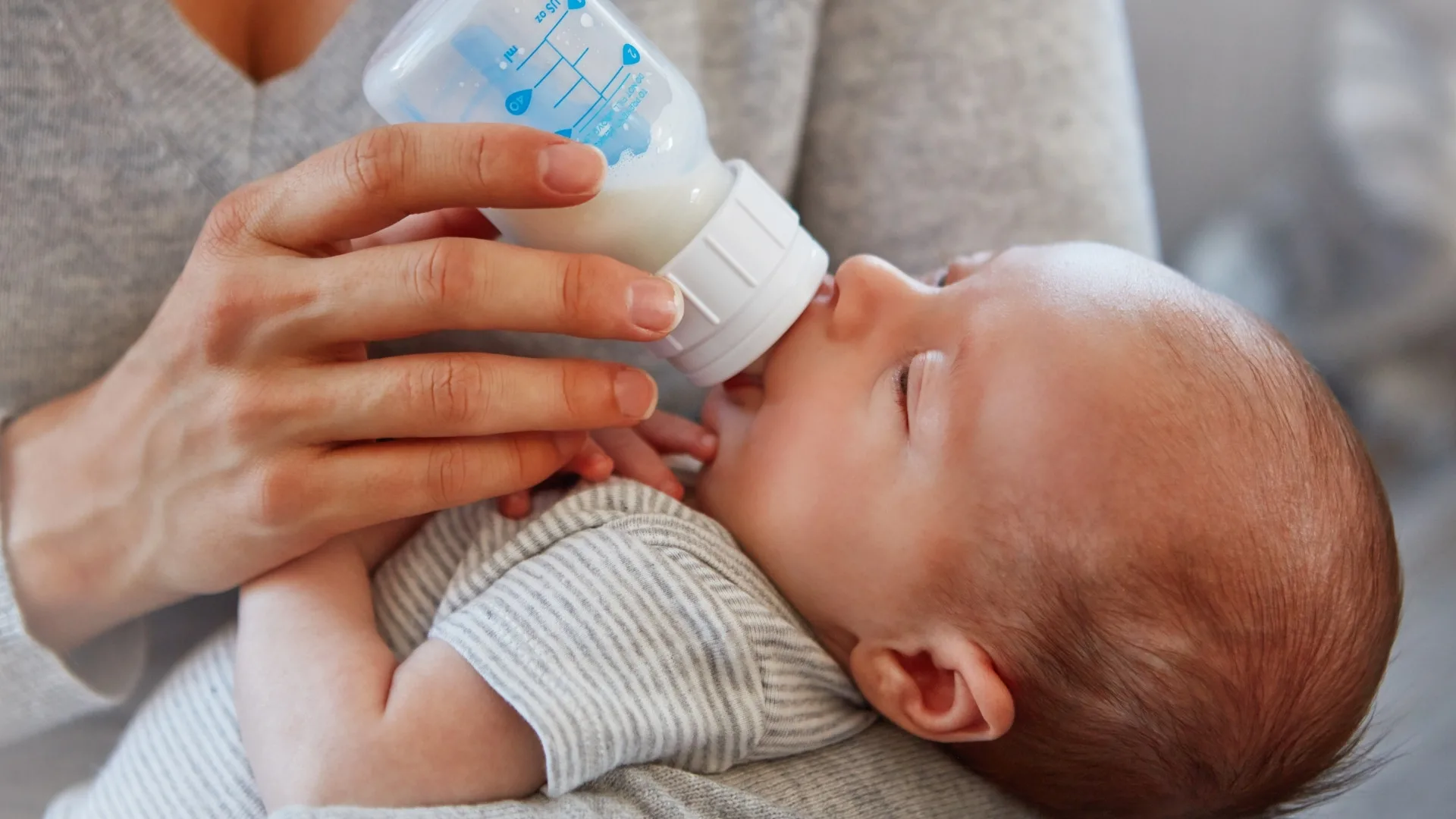
During an infant formula shortage, the impact is not equal for every baby. Infants with medical feeding needs, strict nutrition requirements, or limited purchasing flexibility face higher clinical risks when supply becomes inconsistent.
Medical vulnerability, nutrition dependence, and program restrictions explain why certain babies are affected more deeply during a baby formula shortage:
- Specialty Formula Dependence: Infants with CMPA (cow’s milk protein allergy) or eosinophilic esophagitis require amino-acid formulas. Protein substitutions may trigger GI inflammation, vomiting, or feeding intolerance.
- Metabolic Disorder Needs: PKU (phenylketonuria) formulas exclude phenylalanine, an amino acid. Supply gaps risk toxic buildup affecting brain development during critical growth windows.
- WIC Contract Limitations: WIC, the Special Supplemental Nutrition Program for Women, Infants, and Children, often restricts eligible formula brands, reducing flexibility when approved products are unavailable locally.
- Early Infancy Nutrition Dependence: Babies under six months rely solely on formula or breast milk. Dilution or abrupt switching increases dehydration risk and electrolyte imbalance.
Babies with medical or nutrition-dependent feeding plans experience the greatest strain during shortages, especially when the formula type cannot be safely substituted.
What Should Parents Do If Their Baby’s Formula Is Out of Stock?
When a baby’s formula suddenly disappears from shelves during a baby formula shortage, the safest path forward focuses on medical guidance, safe substitutions, and careful feeding practices. Decisions made in this moment can affect digestion, hydration, and growth, especially for infants relying on formula as their primary nutrition source.
Practical and medically sound steps parents can follow when formula availability becomes unpredictable include:
- Contact Pediatrician First: A pediatrician may recommend a comparable formula within the same protein category. “Extensively hydrolyzed” means milk proteins are prebroken into smaller fragments for easier digestion.
- Use Authorized Retail Alerts: Allow in-stock notifications through verified retailers. Automated alerts reduce repeated store visits and help secure medically necessary formula before stock fluctuates again.
- Transition Formulas Gradually: Some infants need a phased switch, mixing old and new formula over several feeds to reduce GI upset like reflux, constipation, or stool changes.
- Avoid Dilution Practices: Adding extra water disrupts electrolyte balance, particularly sodium levels, increasing risks of hyponatremia, which can lead to seizures or lethargy.
- Check WIC Flexibility Updates: During shortages, WIC (Special Supplemental Nutrition Program for Women, Infants, and Children) may authorize substitute brands temporarily through emergency policy adjustments.
Careful planning and medical oversight help protect feeding routines while the supply stabilizes. Small, safe adjustments make a big difference during uncertain availability.
Get clear, parent-friendly guidance on choosing the right medical nutrition and navigating coverage with our complete guide, Specialty Baby Formula 101
How Insurance Coverage Can Help During a Baby Formula Shortage
When shelves feel unpredictable during a baby formula shortage, insurance-backed programs can create stability by protecting access to medically necessary nutrition. Coverage systems such as WIC and certain health plans reduce cost pressure, allow formula substitutions, and keep feeding plans consistent even when brands fluctuate.
Insurance pathways and government-backed coverage mechanisms supporting families during an infant formula shortage include:
- ABFA Emergency Waivers: The Access to Baby Formula Act (ABFA) allows USDA to relax purchasing rules, letting WIC families redeem benefits for alternative brands without losing eligibility.
- Expanded Contract Flexibility: WIC cost-containment contracts normally restrict brand choice. During shortages, states authorize non-contract formulas, preventing feeding interruptions when preferred products disappear.
- Medical Necessity Documentation: Specialty formulas may require a prescription or ICD-10 diagnosis code, a clinical classification used by insurers to verify conditions like CMPA or malabsorption.
- Exempt Formula Coverage: “Exempt formulas” are medical nutrition products outside standard bidding systems, approved for infants with metabolic disorders, GI conditions, or severe allergies requiring physician oversight.
- Rebate Protection Against Price Spikes: Manufacturer rebates negotiated by WIC keep retail cost covered, shielding families from sudden price increases when demand surges or supply shifts.
Insurance support acts like a buffer during shortages, helping families maintain consistent feeding routines while avoiding sudden financial strain.
Noticing feeding changes or tummy troubles? Learn how to spot early symptoms and what to watch for with 4 Signs to Look for to See if Your Baby Has a Cows’ Milk Allergy
Final Thoughts
Finding steady feeding routines during a shortage often comes down to having the right support system in place, from medical guidance to reliable coverage pathways. When access feels unpredictable, knowing that programs like Insurance Covered Baby Formula exist can help families stay focused on what matters most, keeping their baby nourished and comfortable through every stage of growth.
Every parent deserves clear direction without added pressure or confusion, especially when formula choices carry medical weight. If you need help navigating coverage, approvals, or next steps, take a calm breath and reach out to us today so your baby’s feeding plan stays consistent and supported.
FAQs
1. Can Pharmacies Special-Order Formula During a Baby Formula Shortage?
Yes. Some pharmacies can request medical nutrition through distributor networks instead of retail shelves. Specialty formulas are sometimes stocked through medical supply channels rather than grocery inventory.
2. Does Ready-To-Feed Formula Restock Faster Than Powder During an Infant Formula Shortage?
Not always. Ready-to-feed requires sterile packaging and more shipping weight, which can slow distribution even when powder versions return to stores first.
3. Can Insurance Approve Temporary Substitute Brands During a Baby Formula Shortage?
Many plans allow “therapeutic equivalents,” meaning a nutritionally similar formula approved by a pediatrician. Documentation may reference comparable protein types or calorie density.
4. Why Do Some Stores Limit Purchases Even When Supply Looks Stable?
Retail limits help prevent bulk buying that strains regional distribution. During an infant formula shortage, manufacturers allocate shipments based on population demand forecasts.
5. Are Hospital Discharge Formulas Harder to Find During a Baby Formula Shortage?
Yes. Post-discharge formulas for premature infants often come from smaller production batches, so hospital supply chains and durable medical equipment providers may carry them before retail stores.