
Best Formula for Premature Babies: Essential Feeding & Nutrition Guide

Bringing your baby home, especially after a premature birth, can feel overwhelming. Even choosing a formula can feel stressful.
Premature babies have specific nutritional needs, and formula choices are usually made with a doctor’s guidance. The formulas mentioned in this blog are examples that are commonly used in medical settings, not options for parents to choose on their own.
Some formulas are used only in the NICU Neonatal Intensive Care Unit) under close monitoring. Others may be recommended after discharge to support your baby’s growth at home. Always speak with your pediatrician or neonatologist before making any feeding changes.
This guide explains these formula options in a clear, practical way to help you feel more informed and confident.
At A Glance
- Premature babies have higher nutritional needs compared with full-term infants.
- Preterm formulas are designed to provide increased calories, protein, and minerals.
- High-calorie formulas help support catch-up growth without requiring large feeding volumes.
- Feeding tolerance and growth patterns guide formula selection.
- Ready-to-feed formulas may be recommended for medically fragile infants due to sterility.
- Digestive comfort and steady weight gain are key indicators of formula suitability.
- Insurance coverage for premature formulas varies by plan and medical criteria.
Why Premature Babies Need Special Formula
Premature babies have nutritional requirements that differ from full-term infants. Because they are born before completing critical stages of growth inside the womb, their bodies often require additional nutritional support to promote healthy development.
During the final weeks of pregnancy, babies build essential nutrient stores that support early growth, bone strength, and brain development. Specialized formulas are designed to help bridge this nutritional gap while supporting growth and feeding tolerance.
Premature babies often benefit from formulas that provide:
- Higher calorie density: Premature infants typically require more calories per feeding to support catch-up growth and steady weight gain.
- Increased protein levels: Protein plays a critical role in tissue development, organ growth, and overall physical maturation.
- Enhanced mineral content: Minerals such as calcium and phosphorus help support bone mineralization and skeletal development.
- Additional growth-support nutrients: Premature babies often need carefully balanced levels of vitamins, fatty acids, and micronutrients.
- Improved nutrient absorption support: Specialized fat blends and nutrient structures are designed to support immature digestive systems.
- Support for brain and eye development: Nutrients such as DHA and ARA contribute to neurological and visual development.
- Carefully balanced feeding tolerance: Preterm formulas consider digestive immaturity, helping reduce feeding-related stress.
Specialized formulas are not simply “stronger” formulas. They are carefully designed nutritional tools used to support premature physiology and development.
Types of Formula for Premature Babies

Not all infant formulas are designed the same way. Premature babies have distinct nutritional needs, and understanding the available formula types can help parents make more informed feeding decisions in collaboration with their pediatrician.
Different formulas are developed to support growth, nutrient absorption, and feeding tolerance depending on a baby’s medical status and developmental stage.
1. High-Calorie Formulas for Premature Babies
Premature babies often require more calories than full-term infants to support catch-up growth. High-calorie formulas are designed to deliver greater energy in smaller feeding volumes.
These formulas typically provide around 22–24 kcal per ounce, compared with standard formulas that usually provide 20 kcal per ounce.
How this helps:
- Supports steady weight gain
- Helps meet increased energy needs
- Reduces the need for large feeding volumes
- Supports growth without overloading digestion
These formulas are commonly recommended for premature or low-birth-weight babies under medical supervision.
2. Organic and Natural Formula Options
Some parents prefer formulas made with organic ingredients or simplified compositions. While organic formulas may offer ingredient transparency, not all organic products are formulated to meet premature babies’ elevated nutritional requirements.
How this helps:
- May align with parental ingredient preferences
- Often avoids certain additives
- Provides standard infant nutrition
Nutritional suitability is more important than labeling, so pediatric guidance remains essential before selecting organic formulas for premature infants.
3. Powdered vs. Ready-to-Feed Formula
The formula preparation format can be especially important for premature babies, particularly those with immature immune systems. Powdered formulas are widely used and cost-effective, but are not sterile. Ready-to-feed (RTF) formulas are sterile and often recommended for medically fragile infants.
How this helps:
- Ready-to-feed formulas reduce infection risk
- Useful for very low birth weight babies
- Supports safer early feeding
- Powdered formulas offer long-term convenience
Healthcare providers often recommend sterile, ready-to-feed formulas initially, followed by a transition to powdered formulas when appropriate.
Also read: When Does Breast Milk Come In During Pregnancy?
How Preterm Formulas Differ From Standard Formulas
Preterm infant formulas are designed to meet the unique nutritional requirements of babies born prematurely. While both standard and preterm formulas provide complete nutrition, their nutrient concentrations and compositions differ to support growth, development, and feeding tolerance.
The key differences typically include:
| Feature | Standard Infant Formula | Preterm Infant Formula |
| Calorie Density | Designed for typical growth needs | Higher calories to support catch-up growth |
| Protein Content | Balanced for full-term infants | Increased protein for tissue development |
| Mineral Levels | Standard calcium & phosphorus levels | Enhanced minerals for bone mineralization |
| Fat Composition | General energy-supporting fat blend | Modified fats for improved absorption |
| Growth Support | Supports routine infant growth | Designed for accelerated growth needs |
| Digestive Considerations | Suitable for mature digestion | Adjusted for digestive immaturity |
| Nutrient Concentration | Standard nutrient profile | More concentrated nutrient delivery |
| Brain & Eye Nutrients | Includes DHA/ARA (varies by brand) | Often enhanced for developmental support |
| Use Case | Full-term infants | Premature or low-birth-weight infants |
| Clinical Monitoring | Routine pediatric feeding | Often used with structured growth tracking |
Premature babies often require additional calories and nutrients to support growth outside the womb. Preterm formulas are structured to deliver more nutrition per feeding while accounting for metabolic and digestive needs.
7 Formulas Designed for Premature Babies
Premature infants have unique nutritional needs, and specialized formulas are designed to support rapid growth, nutrient absorption, and developmental milestones. These options are commonly recommended by healthcare providers based on clinical requirements.
1. Enfamil EnfaCare

A commonly recommended post-discharge formula for premature and low-birth-weight babies, formulated to support catch-up growth and overall nutrition.
Key Features:
• Higher calorie density
• Enhanced protein levels
• Added DHA & ARA
• Strengthened mineral support
• Use: Primarily recommended after NICU discharge for continued growth support
How It Helps: Supports steady weight gain and developmental needs after NICU discharge.
2. Similac NeoSure

One of the most widely used formulas for babies born prematurely or with low birth weight is designed to provide extra calories and nutrients.
Key Features:
• Increased calories
• Protein and mineral-rich
• Balanced vitamin blend
• DHA & ARA included
• Use: Typically prescribed post-discharge for catch-up growth
How It Helps: Promotes nutrient-dense feeding to support effective growth and weight gain.
3. Similac Special Care (Sterile Ready-to-Feed)

Formulas used in clinical settings during the early days or for infants with very low birth weight.
Key Features:
• Sterile ready-to-feed
• Higher calorie concentration
• Tailored for medically fragile infants
• Use: Primarily NICU-only under hospital supervision
How It Helps: Ideal for hospital use when sterility and precise nutrition are essential.
4. Pregestimil (Preterm Use in Specific Cases)
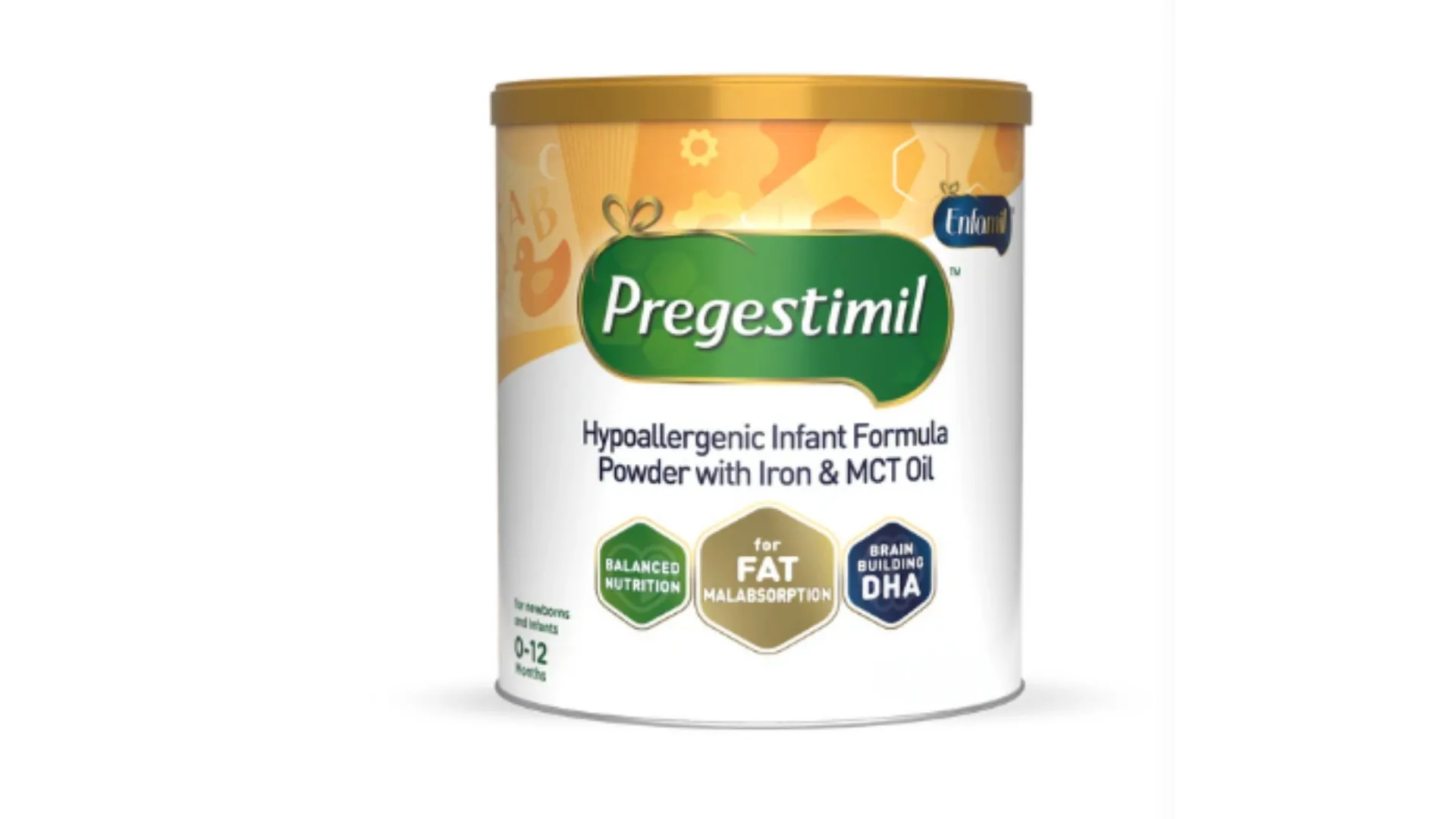
An extensively hydrolyzed formula designed for babies who may also have fat malabsorption or complex digestive needs.
Key Features:
• Hydrolyzed protein
• Modified fats for absorption
• Complete nutrient profile
• Use: May be used in NICU or post-discharge, depending on medical indication
How It Helps: Supports digestion in babies with increased fat or protein intolerance.
5. EleCare (Amino Acid-Based)

An amino acid–based formula for infants who do not tolerate extensively hydrolyzed proteins and need specialized nutrition.
Key Features:
• 100% free amino acids
• Lactose-free
• Balanced micronutrient profile
• Use: May be initiated in NICU or prescribed post-discharge for severe intolerance cases
How It Helps: Supports babies with severe feeding intolerances while ensuring full nutrition.
6. PurAmino (Amino Acid-Based)
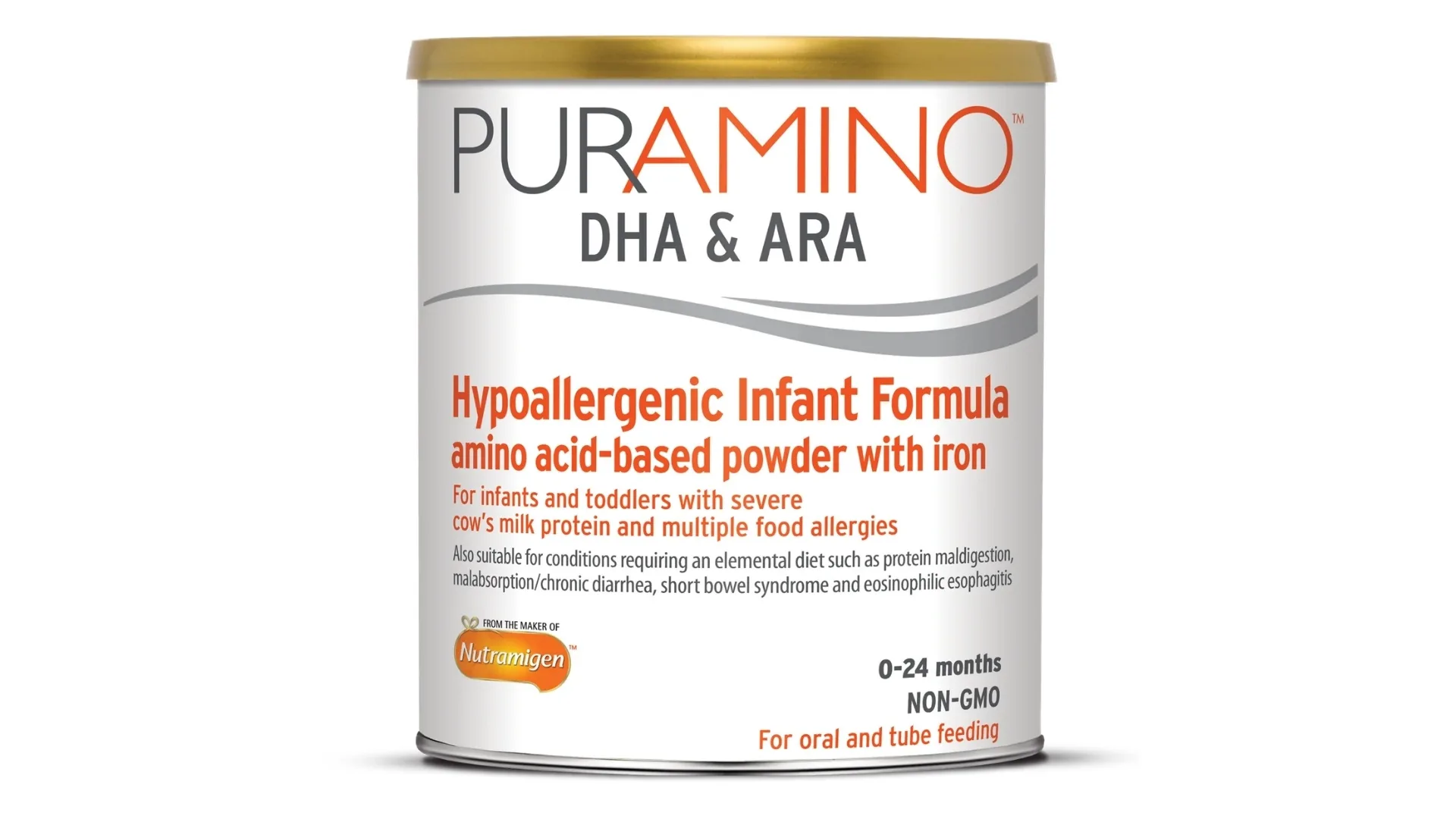
Another amino acid–based option for medically complex feeding tolerance issues.
Key Features:
• Specialized amino acids
• Designed for high tolerance
• Nutritionally complete
• Use: Used under medical supervision in both NICU and post-discharge settings
How It Helps: Provides complete nutrition for babies who struggle with other specialized formulas.
7. Neocate (Amino Acid–Based)

A widely prescribed amino acid formula for babies with severe intolerance or allergy to milk proteins.
Key Features:
• Free amino acids
• Lactose-free
• Complete nutrition
• Use: May be used in NICU or continued after discharge, depending on medical need
How It Helps: Supports feeding in infants who require highly modified protein sources.
Suggested read: How to Freeze Breast Milk in Bags Safely (Step-by-Step Guide)
How to Choose the Right Formula for a Premature Baby
Choosing a formula for a premature baby involves more than selecting a brand. Preterm infants have distinct nutritional requirements, and feeding decisions are typically guided by growth needs, medical history, and tolerance patterns. Because these needs can change quickly during early development, healthcare providers rely on multiple clinical factors when recommending a formula.
Key considerations often include:
- Gestational age and birth weight: Babies born very early or with low birth weight usually require nutrient-dense formulas designed to support accelerated growth. These formulas provide higher levels of calories, protein, vitamins, and minerals tailored for preterm development.
- Caloric requirements: Premature babies often need more calories per ounce compared with full-term infants. Higher-calorie formulas help support catch-up growth, especially for babies who cannot consume large feeding volumes.
- Growth and weight gain trends: Consistent monitoring of weight, length, and head circumference helps determine whether a formula is meeting a baby’s nutritional needs. Feeding adjustments are commonly based on these measurable growth indicators.
- Digestive tolerance: Premature digestive systems are still maturing. Pediatricians evaluate symptoms such as gas, reflux, stool consistency, abdominal discomfort, or feeding resistance when assessing formula suitability.
- Medical conditions or complications: Some premature babies have additional clinical considerations, including reflux severity, malabsorption, metabolic conditions, or feeding intolerance. These situations may require specialized formula compositions.
- Protein and nutrient density: Preterm formulas typically contain higher protein levels and enhanced micronutrients such as calcium, phosphorus, and iron. These nutrients play a key role in bone development and overall growth.
- Feeding volume capacity: Many premature babies consume smaller amounts at each feed. Higher-calorie formulas help deliver adequate nutrition without requiring large volumes that may overwhelm digestion.
Regular monitoring, gradual adjustments, and close collaboration with your pediatrician help ensure feeding choices remain aligned with your baby’s evolving needs.
Suggested Read: Comfortable Breastfeeding Positions You Can Try
10 Tips for Feeding Premature Babies with Formula

Feeding a premature baby often requires extra patience and gentle adjustments. Because preterm infants may have smaller stomach capacity, developing coordination, and increased sensitivity, feeding routines typically evolve with time. Small changes in technique can significantly improve comfort, safety, and feeding success.
Here are practical feeding tips commonly recommended for premature babies:
- Feeding Position: Keeping your baby in a semi-upright position during feeds can help support safer swallowing and reduce the likelihood of reflux. This positioning allows gravity to assist milk flow while helping your baby maintain better airway control.
- Slow-Flow Nipples: Premature babies often benefit from slow-flow nipples designed to release milk gradually. A slower flow helps prevent overwhelming your baby, supporting smoother sucking, swallowing, and breathing coordination.
- Paced Bottle Feeding: Paced feeding encourages a more controlled feeding rhythm by allowing brief pauses throughout the feed. This technique helps babies manage milk intake comfortably and may reduce coughing, choking, or feeding fatigue.
- Frequent Burping Breaks: Premature babies may swallow more air during feeds. Taking short breaks to burp your baby can help reduce gas, bloating, and feeding discomfort.
- Watch for Feeding Cues: Preterm infants may tire more quickly. Observing cues such as slowing sucking, turning away, or increased restlessness can help prevent overfeeding and feeding-related stress.
- Skin-to-Skin Contact: Incorporating skin-to-skin time before or after feeds can support regulation of body temperature, breathing patterns, and overall calmness. It also helps strengthen bonding during a medically complex stage.
- Feed Smaller Volumes More Often: Many premature babies tolerate smaller, more frequent feeds better than large volumes. This approach aligns with their limited stomach capacity and developing digestion.
- Minimize Feeding Distractions: A calm, quiet feeding environment can help premature babies focus energy on feeding rather than stimulation.
- Monitor Growth Patterns: Consistent weight gain and growth remain key indicators of feeding adequacy. Pediatric follow-ups help determine whether feeding adjustments are needed.
- Maintain Pediatric Communication: Feeding plans for premature babies are highly individualized. Ongoing guidance from your pediatrician or neonatologist helps ensure feeding strategies remain safe and effective.
Also read: Tips to Increase Breast Milk Supply When Pumping
Support for Premature Formula Coverage Through Insurance

Premature baby formulas are often recommended when infants require enhanced nutrition to support catch-up growth, higher caloric intake, or specific medical needs. In these situations, formula selection is typically guided by clinical considerations rather than routine feeding preference.
Insurance Covered Baby Formula helps families explore potential insurance coverage for medically necessary preterm and specialty formulas while simplifying the approval process.
Here’s how we support you:
- Insurance verification: We review your insurance benefits to determine whether prescribed premature or post-discharge formulas may be covered under your plan.
- Paperwork coordination: Our team assists with managing required documentation and authorization steps, helping reduce administrative stress.
- Coordination with your pediatrician: We help ensure the necessary clinical information is submitted to support coverage review.
- Home delivery support: When coverage is approved, formulas can often be shipped directly to your home for added convenience.
Coverage varies by insurance plan and medical criteria. Our team helps you understand your options before moving forward.
Final Thoughts
Feeding a premature baby often comes with unique challenges, careful monitoring, and evolving nutritional needs. While specialized formulas play a critical role in supporting growth and development, there is rarely a single formula that works best for every baby. Tolerance, growth patterns, and medical guidance remain the most important factors in long-term feeding success.
If your pediatrician has prescribed a premature or specialty formula, Insurance Covered Baby Formula helps families explore potential insurance coverage while simplifying the approval process.
Check your insurance eligibility today to better understand your coverage options and access medically necessary formula with greater clarity and less stress.
Frequently Asked Questions
1. What is the best formula for premature babies?
There is no single formula that works best for every premature baby. The most appropriate option depends on factors such as birth weight, gestational age, growth needs, and digestive tolerance. Pediatricians typically recommend formulas based on clinical evaluation.
2. Why do premature babies need special formula?
Premature babies often have higher nutritional requirements, including increased calories, protein, vitamins, and minerals. Specialized formulas are designed to support catch-up growth and developmental needs.
3. What is high-calorie formula for premature babies?
High-calorie formulas typically provide around 22–24 kcal per ounce. These formulas help deliver more energy in smaller feeding volumes, which is beneficial for babies with limited intake capacity.
4. How long do premature babies stay on preterm formula?
The duration varies depending on growth progress and medical guidance. Some babies transition after NICU discharge, while others may continue for several months. Pediatric monitoring determines the timing.
5. Can premature babies use regular infant formula?
In some cases, babies may transition to standard formula once growth stabilizes. However, premature babies often begin with nutrient-enriched formulas to meet early developmental needs.
6. Is ready-to-feed formula better for premature babies?
Ready-to-feed formulas are sterile and may be recommended for very low birth weight or medically fragile infants. Pediatricians may advise transitioning to powdered formula later.
7. Do premature formulas help babies gain weight faster?
These formulas are designed to support accelerated growth by providing enhanced calories and nutrients. Growth outcomes vary based on individual health and feeding tolerance.