


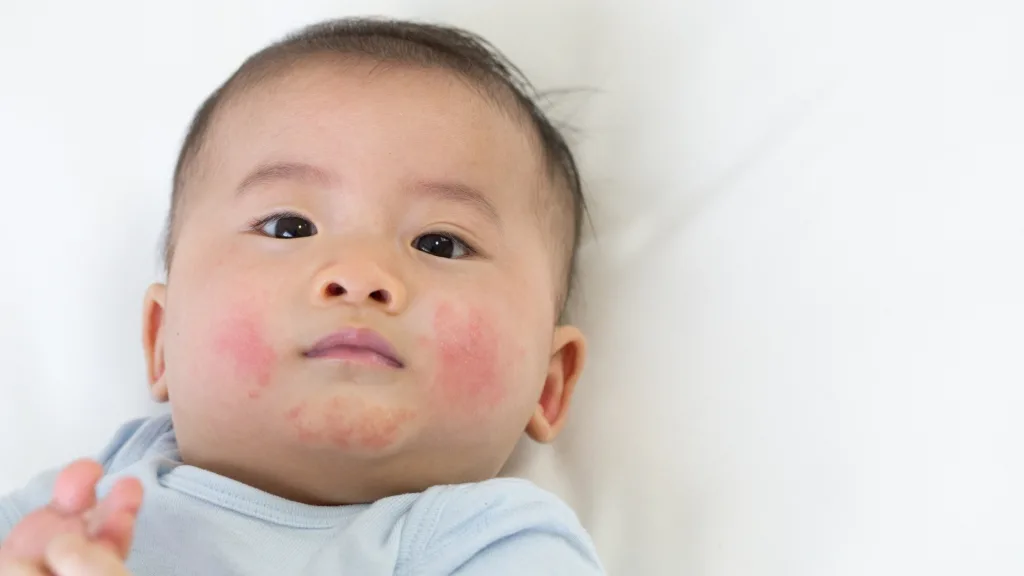
Newborn skin changes often lead parents to search for answers, especially when small bumps appear shortly after feeding. Many families begin by researching common causes of baby acne and quickly encounter questions like can formula cause baby acne, particularly when feeding patterns and skin flare-ups seem connected.
More than 30% of newborns develop baby acne of the face, so it is very common to feel unsure about what is normal during these early weeks.
If you have been asking whether formula can cause baby acne, the goal is usually to understand whether feeding plays a direct role or if the condition reflects normal neonatal development. Concerns around allergies, digestive sensitivity, and specialty formula often add another layer of uncertainty.
In this guide, you will learn how to distinguish typical neonatal acne from feeding-related skin reactions, identify clinical patterns worth monitoring, and understand when specialty formula and insurance coverage may become relevant.
Key Takeaways
- Most neonatal acne is hormone-driven. The formula may irritate skin through residue or reflux exposure, but it does not usually trigger acne internally.
- Breakouts appearing after six weeks, with dryness, crusting, or discomfort, may signal allergy, eczema, or infantile acne rather than typical newborn acne.
- Skin changes linked to CMPA (Cow’s Milk Protein Allergy) or intolerance often appear alongside reflux, digestive distress, or growth concerns, not isolated facial bumps.
- Extensively hydrolyzed or amino acid formulas may help when immune reactions are present because proteins are broken into smaller, easier-tolerated forms.
- Plans like TRICARE, BCBS, and Anthem may approve medically necessary formula with proper documentation, prior authorization, and in-network provider support.
What Is Baby Acne and Why Does It Happen in Newborns
Baby acne, medically called neonatal acne, shows up when a newborn’s skin is adjusting to life outside the womb. Tiny oil glands, still influenced by pregnancy hormones, can become overactive for a short time.
That extra oil can clog pores and create small red or white bumps that look alarming but are usually temporary. Many parents worry that feeding choices caused it, but most cases are linked to natural developmental changes happening beneath your little one’s delicate skin.
The most common biological reasons newborn acne develops include:
- Malassezia Yeast Reaction: A normal skin yeast, Malassezia, may irritate hair follicles; think of it as harmless skin bacteria causing temporary redness while skin adjusts.
- Immature Skin Barrier: Your baby’s outer skin layer is thin, like a soft protective blanket still forming, making pores more reactive to moisture and friction.
- Sebaceous Gland Enlargement: Newborn oil glands are naturally larger at birth, so they release extra lipids that can sit in pores until hormone levels settle.
- External Residue Irritation: Milk, drool, or spit-up left on the skin can trap oils against follicles, leading to bumps that resemble acne even without a true allergy.
Most neonatal acne fades as hormones decline and the skin barrier strengthens over the first months. If breakouts appear alongside feeding discomfort or allergy signs, chat with your pediatrician to look at your baby’s unique needs.
What Baby Acne Looks Like and Where It Usually Appears
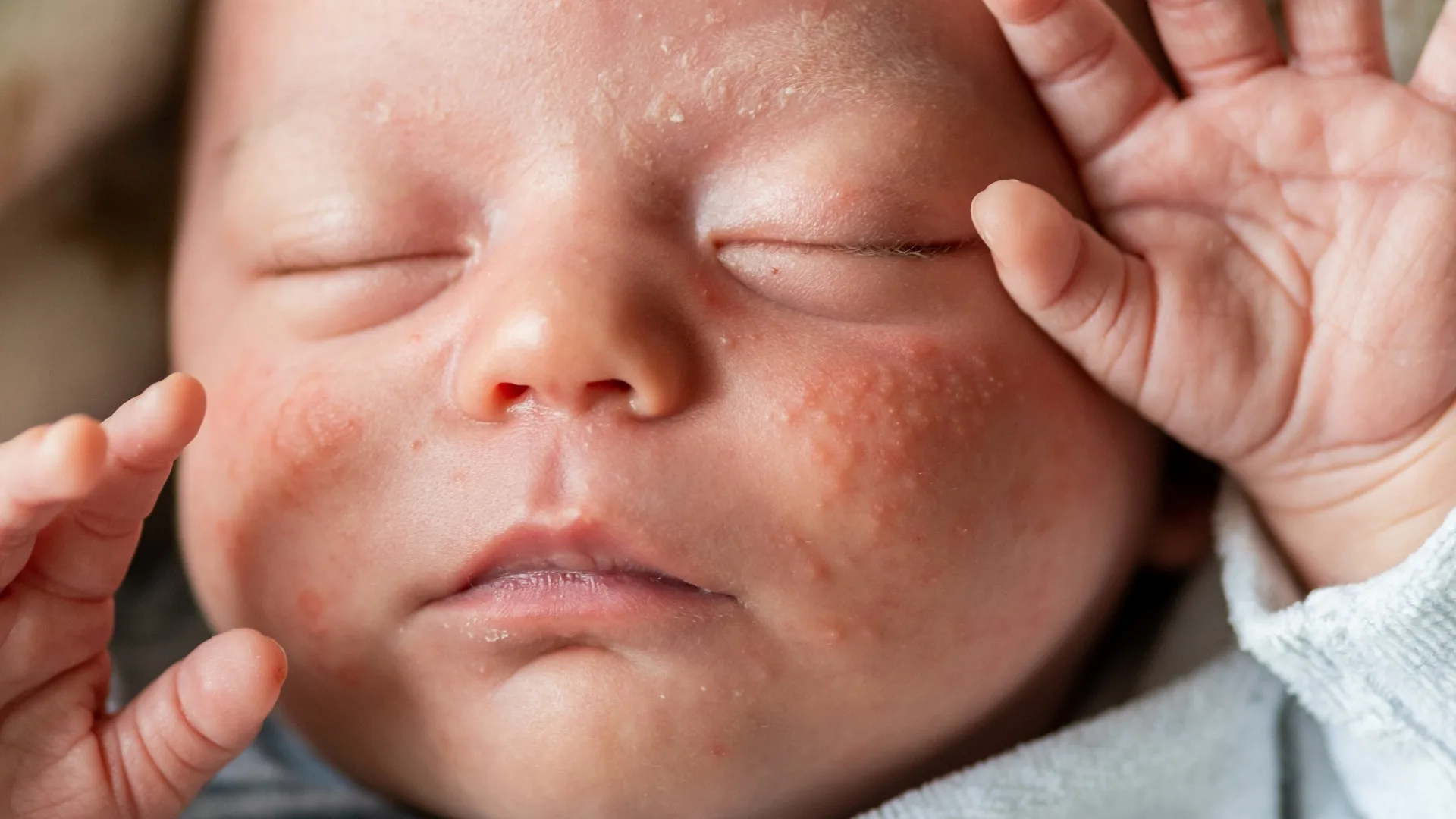

Baby acne can look surprisingly similar to teenage breakouts, which often makes parents worry that something serious is happening. In newborns, the bumps tend to be small, inflamed, and clustered on areas where oil glands are more active. Understanding the visual pattern and location of these spots can help you tell the difference between normal neonatal acne and skin reactions linked to feeding or irritation.
Common visual features and placement patterns parents may notice include:
- Papules And Pustules: Tiny red or purple swollen bumps, sometimes with white centers, forming in small clusters rather than scattered single spots.
- No Blackheads Present: Neonatal acne lacks blackheads or deep clogged pores, which helps distinguish it from later infantile acne or adolescent-type breakouts.
- Facial Concentration Zones: Breakouts appear most often on cheeks, nose, and forehead, where newborn oil glands are naturally more active.
- Upper Body Spread: Some babies develop bumps along the chin, scalp line, neck folds, upper chest, or back, especially where moisture collects.
- Color Changes With Crying: Increased blood flow during crying can make bumps appear brighter red or more raised, even though the skin condition itself has not worsened.
Noticing where acne shows up can offer helpful clues about what is normal newborn skin behavior. If bumps appear outside typical areas or change quickly, a closer look at feeding or skin triggers may be helpful.
Feeling unsure about newborn skin, feeding choices, or what to expect in the early days? Read this honest parent perspective to feel more prepared: 4 Things I Wish I knew About Having a Baby
Can Formula Cause Baby Acne or Make It Worse?
It is completely normal to question feeding when new bumps appear on your baby’s skin. In most cases, formula does not directly cause neonatal acne, but certain feeding-related factors can irritate delicate skin and make existing breakouts look more noticeable. The key is understanding how contact with milk proteins, digestive reflux, and skin sensitivity interact during those early newborn weeks.
Feeding-related situations that may influence how acne appears or worsens include:
- Milk Residue Irritation: When formula proteins dry on the skin, they can act like a mild irritant, disrupting the outer barrier and causing redness around already sensitive follicles.
- Reflux and Spit-Up Exposure: Repeated spit-up, also called gastroesophageal reflux, exposes skin to digestive acids and enzymes, which may inflame areas like the chin and neck folds.
- Protein Contact Reactions: Intact milk proteins, meaning full-sized protein chains, may trigger localized irritation when left on skin, even without a true allergy or intolerance.
- Occlusion From Moisture: Damp skin under bibs or in neck creases traps heat and oil, creating an occlusive environment where bumps can appear more raised or inflamed.
- Mechanical Friction During Feeding: Rubbing from burp cloths or frequent wiping can disrupt the skin barrier, increasing visible redness without changing the underlying acne process.
The formula itself rarely drives acne from the inside out, but gentle cleaning after feedings and watching for repeated irritation patterns can help keep your little one’s skin calmer while you observe feeding tolerance.
Baby Acne vs Rashes, Allergies, and Other Skin Conditions
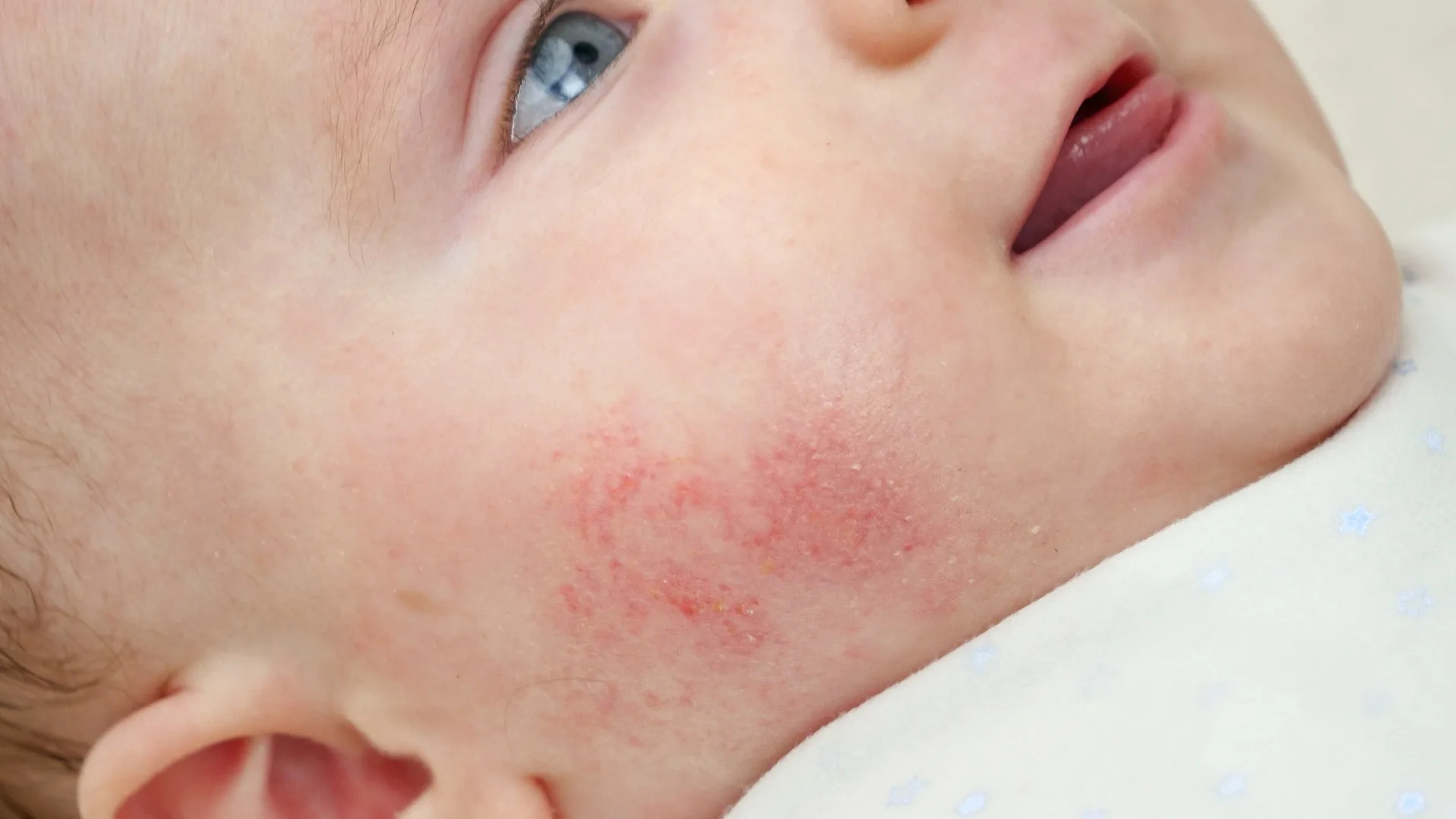
When your baby’s skin changes, it can be hard to tell whether you are seeing simple neonatal acne or something completely different. Many newborn skin conditions look similar at first glance, yet their texture, timing, and triggers tell very different stories. Understanding these subtle differences helps you avoid unnecessary formula changes and focus on what your little one’s skin is actually communicating.
Visual and behavioral differences between neonatal acne and other common newborn skin conditions include:
| Condition | Appearance Pattern | Skin Feel | Typical Areas | What It Usually Means |
| Baby Acne | Red papules or white pustules; no comedones (blackheads). | Slightly oily, raised bumps. | Cheeks, nose, forehead. | Hormone-driven oil production; temporary adjustment phase. |
| Allergic Rash | Sudden hives or blotchy redness appearing quickly after exposure. | Warm, swollen, sometimes itchy. | Anywhere, often trunk or face. | Immune response: the body reacts to a trigger, such as a protein or product. |
| Eczema (Atopic Dermatitis) | Patchy redness with cracking or scaling. | Dry, rough, flaky texture. | Cheeks, arms, legs. | Skin barrier weakness causes water loss and inflammation. |
| Milia | Tiny pearl-like white bumps without redness. | Smooth, firm surface. | Around the nose and mouth. | Keratin trapped under skin; keratin is a natural skin protein. |
| Cradle Cap (Seborrheic Dermatitis) | Yellowish scales or greasy flakes on the scalp. | Waxy or crusted patches. | Crown, hairline, eyebrows. | Overactive oil glands feed harmless yeast growth. |
| Heat Rash (Miliaria) | Clusters of tiny red dots after overheating. | Prickly or irritated. | Neck folds, armpits. | Sweat ducts are blocked by trapped heat and moisture. |
Recognizing the pattern behind the bumps can bring a lot of reassurance. If the skin feels dry, spreads quickly, or seems uncomfortable for your baby, a closer evaluation can help guide the next steps.
When Baby Acne May Signal a Feeding Sensitivity
Most neonatal acne is harmless. Sometimes, skin changes appear alongside feeding or digestive symptoms that suggest a sensitivity. This can happen when a baby’s immune system reacts to proteins like cow’s milk protein, leading to inflammation that looks different from typical newborn acne.
Patterns that may suggest a feeding-related sensitivity include:
- Delayed Onset After Feeding Changes: Breakouts starting after six weeks or following a formula switch may reflect protein intolerance rather than hormone-driven neonatal acne.
- Cow’s Milk Protein Allergy (CMPA) Signs: CMPA occurs when the immune system mistakes milk proteins as harmful, leading to skin redness alongside digestive symptoms like mucus stools or persistent crying.
- Inflammatory Skin Texture Changes: Dry, scaly, or itchy patches suggest immune activation, meaning the body releases histamines, chemicals that cause redness and swelling during allergic responses.
- Gastrointestinal Symptom Pairing: Frequent vomiting, reflux, or loose stools alongside skin flare-ups can indicate feeding sensitivity affecting both gut lining and skin barrier function.
- Persistent Facial Rash After Cleaning: If bumps remain even after gentle cleansing, it may suggest internal sensitivity rather than simple surface irritation from milk residue.
Skin changes connected to feeding sensitivities often appear with other whole-body symptoms, not in isolation. If patterns feel unusual or your baby seems uncomfortable, chatting with your pediatrician can help clarify what your little one needs next.
Types of Baby Formula and How They Affect Sensitive Skin
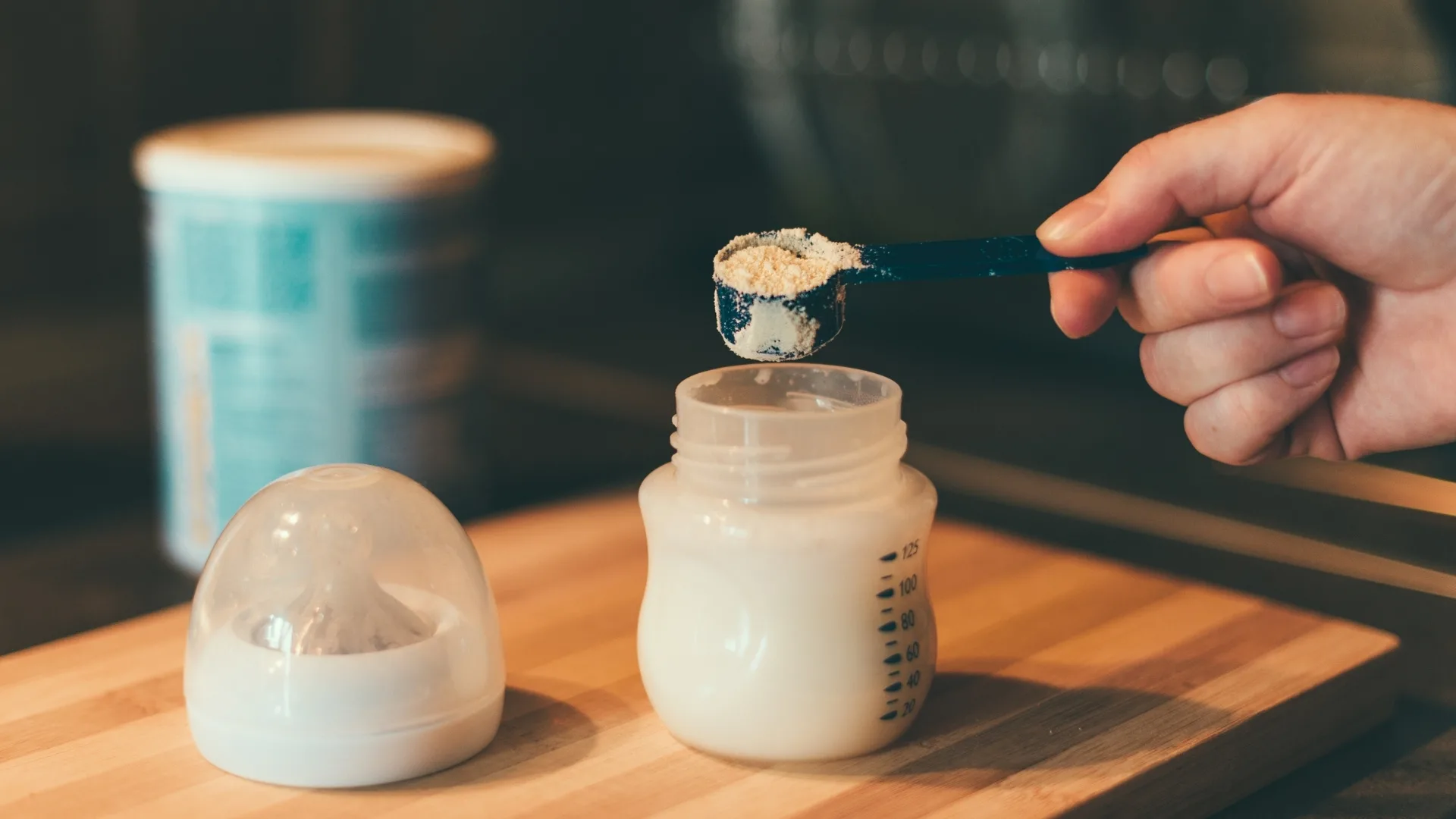
Not all formulas interact with your baby’s skin the same way. The protein structure, fat blend, and carbohydrate source can influence digestion and how the body responds to feeding, which sometimes shows up as skin changes. Understanding the different formula categories helps you recognize why one option may feel gentler for a baby with sensitive skin or suspected feeding sensitivities.
1. Standard Cow’s Milk-Based Formula
Standard formulas use intact cow’s milk proteins, meaning full-length protein chains that require normal digestion. Most babies tolerate them well, but sensitive skin may react during early feeding transitions.
How standard formulas may influence skin responses:
- Whole milk proteins require more digestive breakdown, which can increase spit-up or residue contact in babies with immature digestion.
- Lactose is a natural milk sugar that supports gut bacteria but may contribute to gassiness, increasing saliva and skin moisture around the mouth.
- Added iron supports growth, yet can slightly change stool patterns, sometimes leading to increased wiping and friction around facial areas during feeds.
2. Gentle Or Reduced-Lactose Formula
Gentle formulas modify protein size slightly or reduce lactose to support babies with mild tummy discomfort. Proteins remain partially intact but are easier to digest.
How gentle formulas interact with sensitive skin patterns:
- Hydrolyzed means proteins are broken into smaller pieces, which may reduce digestive strain and limit excessive spit-up touching the skin.
- Reduced lactose may decrease gas pressure in the gut, lowering drooling and chin irritation during feeds.
- Some include MCT oils or medium-chain triglycerides that digest faster and may help babies prone to reflux-related redness.
3. Extensively Hydrolyzed Hypoallergenic Formula
These formulas break milk proteins into very small fragments to reduce immune reactions in babies with confirmed sensitivities.
Ways hypoallergenic formulas may support calmer skin:
- Proteins are chopped into tiny peptides, meaning smaller building blocks that are less likely to trigger immune-driven inflammation.
- Designed for cow’s milk protein allergy, which occurs when the immune system overreacts to certain proteins.
- Easier digestion can reduce reflux episodes that repeatedly expose facial skin to acidic spit-up.
4. Amino Acid-Based Formula
Amino acid formulas contain proteins fully broken down into individual amino acids, the smallest units the body uses to build proteins.
How amino acid formulas may influence severe sensitivity cases:
- No intact proteins remain, which can help babies with severe allergies where even tiny protein fragments cause inflammation.
- Elemental means nutrients are pre-digested, reducing digestive workload and lowering spit-up frequency.
- Often recommended for complex GI or allergic conditions where persistent skin symptoms accompany feeding challenges.
Choosing the right formula is less about chasing perfect skin and more about supporting your baby’s comfort from the inside out. Chat with your pediatrician before making changes so feeding decisions match your little one’s unique needs.
Wondering if your plan may help cover medically necessary formula and how the process works? Learn more about your options with Tricare Baby Formula Coverage
Signs It May Be Time to Consider a Formula Change
Watching your baby struggle during or after feeds can feel overwhelming, especially when skin changes show up at the same time. Neonatal acne alone rarely requires a formula switch, but certain patterns involving digestion, behavior, and skin texture may signal that your little one’s body is reacting differently to what they are drinking. Paying attention to these clues helps you decide when it is worth discussing feeding adjustments.
Patterns that may suggest feeding tolerance needs a closer look include:
- Late-Onset Breakouts: Skin changes starting beyond the newborn window may reflect evolving gut sensitivity rather than hormone-related neonatal acne.
- Persistent Gastrointestinal Distress: Frequent reflux, meaning milk flowing back from the stomach to the esophagus, or ongoing gassiness may point toward protein intolerance affecting comfort and skin.
- Eczema-Like Texture Development: Rough, itchy patches suggest barrier inflammation instead of oil-based acne, which can occur when immune pathways respond to dietary proteins.
- Poor Feeding Recovery Time: Babies who remain unsettled long after feeds may be experiencing digestive strain, sometimes linked to how proteins or fats are processed.
- Growth Or Weight Gain Concerns: Slower weight gain, called growth faltering, may indicate a feeding mismatch and can occasionally coincide with ongoing skin irritation.
A formula change should always be thoughtful and guided by your baby’s full symptom picture. Chat with your pediatrician before making adjustments so feeding choices truly support your little one’s comfort and growth.
How Long Does Baby Acne Last and What to Expect Over Time
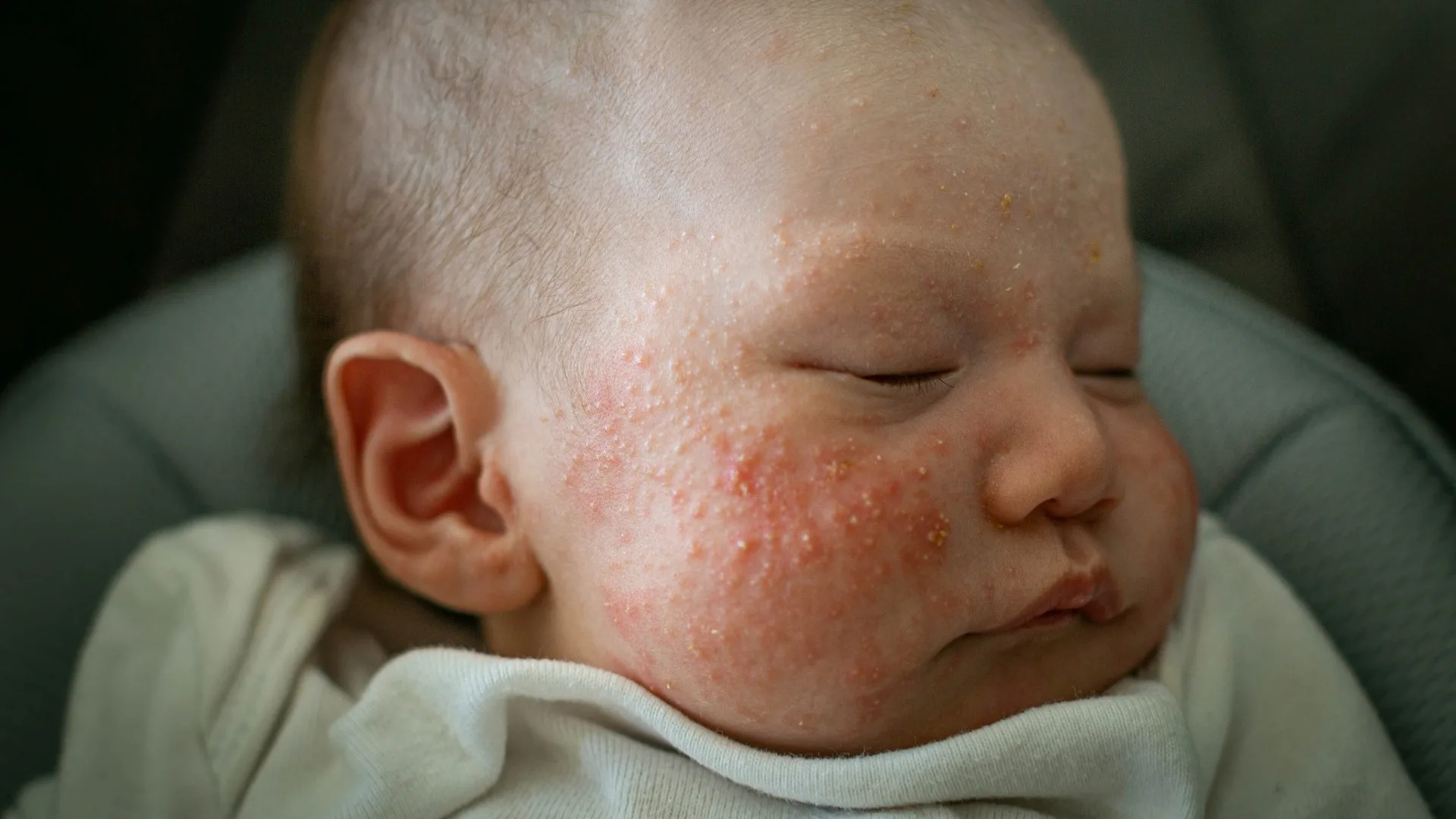
Baby acne can look different from day to day, which makes many parents wonder if it is improving or getting worse. Neonatal acne follows a predictable pattern tied to hormone shifts and early skin development. Understanding the timeline helps you feel more confident while your little one’s skin adjusts naturally.
The typical stages parents may notice as neonatal acne progresses include:
- Early Newborn Onset: Appears within the first weeks of life as maternal hormones decline; “neonatal” refers to the newborn phase, roughly the first month after birth.
- Peak Visibility Phase: Redness may look stronger during crying due to vasodilation, meaning temporary widening of tiny blood vessels that makes bumps appear brighter.
- Stabilization Period: New lesions slow down as sebaceous activity, the skin’s oil production process, gradually balances, and inflammation settles.
- Natural Fading Window: Many cases improve within weeks, though some persist for a few months while pores clear and the skin barrier strengthens.
Most neonatal acne clears without scarring as hormone levels normalize. If bumps persist longer than expected or change dramatically, chat with your pediatrician to look at your baby’s unique pattern.
Looking for clear guidance on specialty feeding options and when they may be needed? Start with this helpful resource: Specialty Baby Formula: Everything You Need to Know
Daily Skin Care Practices as Feeding Changes
When you are trying to figure out whether feeding plays a role in your baby’s skin changes, keeping the skin calm and protected becomes just as important as observing feeding patterns.
Newborn skin loses moisture quickly and reacts easily to friction, residue, and harsh products, so a simple, gentle routine helps you see what is truly helping without adding new irritation.
Protective care habits that support sensitive newborn skin while monitoring feeding tolerance include:
- Post-Feed Residue Removal: Gently wipe milk or spit-up from cheeks and chin using lukewarm water to prevent protein buildup that can mimic feeding reactions.
- Minimal Product Use: Avoid introducing new lotions or oils during feeding evaluation; fewer variables make it easier to identify true triggers.
- Controlled Fabric Contact: Use soft cotton bibs and change them frequently to reduce friction and moisture that can exaggerate redness after feeds.
- Consistent Bath Timing: Keep bath routines predictable so skin changes reflect feeding patterns rather than sudden environmental changes.
- Observation Over Intervention: Track when bumps appear relative to feeds instead of increasing cleansing frequency, which may worsen irritation.
Gentle routines give you a clearer picture of what your baby’s skin is telling you. If irritation keeps showing up, a quick feeding and skin check with a trusted provider can help clarify the next steps.
Can Insurance Cover Specialty Formula for Allergy or Medical Needs?
When your baby needs specialized nutrition, the cost of medical-grade formula can feel overwhelming. The good news is that many insurance plans may help cover specialty formula when it is considered medically necessary, meaning a healthcare provider documents that your baby requires it for a diagnosed condition. Coverage often depends on the diagnosis, the type of formula prescribed, and whether prior authorization is approved.
Insurance processes that may help families access covered specialty formula include:
- Medical Necessity Documentation: Insurance requires proof that a formula treats a diagnosed condition, such as CMPA or metabolic disorders; “medical necessity” means treatment is required, not optional.
- Prior Authorization Process: Prior authorization is insurer approval before coverage begins, confirming the prescribed formula meets clinical guidelines and policy requirements.
- In-Network Provider Support: Working with an in-network supplier, meaning a company contracted with your insurer, can simplify verification, paperwork, and shipping coordination.
- Condition-Based Coverage Eligibility: Plans like TRICARE, BCBS, or Anthem may cover hypoallergenic, metabolic, or premature formulas when linked to allergies, growth issues, or digestive disorders.
- Prescription and ICD Coding: Insurance often uses ICD codes, standardized diagnosis numbers, to validate claims and confirm the formula aligns with your baby’s medical needs.
Coverage rules vary between plans, so starting with eligibility verification can help you understand what support is available. Chat with your pediatrician and insurance provider to guide the process for your little one’s specific situation.
Signs That Skin Changes May Need Medical Evaluation
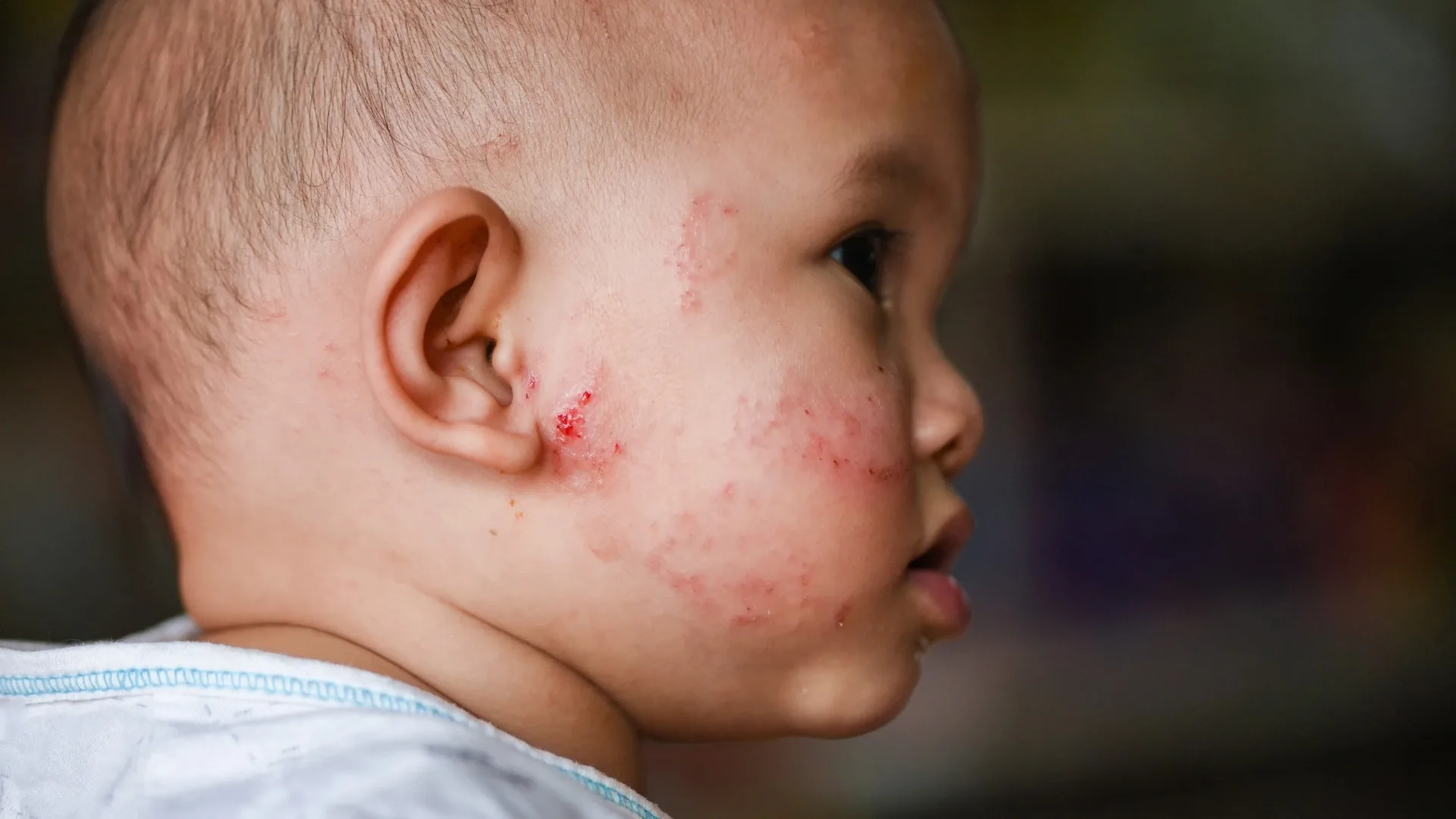
Most newborn skin changes are part of normal development, but some patterns signal that your little one may need closer medical attention. When bumps behave differently from typical neonatal acne, it can mean infection, allergy, or a separate skin condition that deserves a careful evaluation. Recognizing early warning signs helps you respond calmly and confidently without guessing.
Situations that often indicate a deeper medical review may be needed include:
- Signs Of Skin Infection: Yellow drainage, crusting, or bleeding can suggest bacterial involvement; “infection” means harmful microbes entering irritated skin and causing inflammation.
- Blisters Or Peeling Skin: Fluid-filled blisters or skin shedding may indicate severe dermatitis, meaning inflammation of the skin beyond normal acne changes.
- Systemic Symptoms With Rash: Fever or feeding refusal signals whole-body involvement; “systemic” refers to symptoms affecting more than just the skin.
- Immediate Allergy Reactions: Hives appearing within minutes suggest IgE-mediated allergy; IgE is an immunoglobulin E that triggers swelling, redness, and itching during allergic responses.
If skin changes look painful, spread quickly, or come with behavioral shifts, it is worth seeking professional guidance. Early evaluation helps protect your baby’s comfort while ruling out conditions that need targeted care.
Final Thoughts
Watching your baby’s skin change while you are figuring out feeding can feel like a lot to hold at once. Over time, patterns usually become clearer, and small adjustments can make daily routines feel calmer and more predictable. Trusting your observations and staying patient with the process helps you focus on what truly supports your baby’s comfort. Every stage brings new clarity, even when it feels uncertain at first.
When feeding sensitivities or specialty nutrition become part of the conversation, having the right support can make a meaningful difference. Guidance, coverage options, and access to trusted formulas can ease the pressure families often feel during this phase. If you are exploring next steps or need help navigating coverage, Insurance Covered Baby Formula can help simplify the process.
Reach out to us today to learn what support may be available for your little one.
FAQs
1. Can a formula cause baby acne only on certain parts of the face?
In most cases, baby acne follows natural oil-gland patterns, not feeding type. However, repeated contact with milk residue around the chin or cheeks can make breakouts look more noticeable in those areas.
2. Does the formula cause baby acne more often in sensitive or reflux-prone babies?
The formula itself is rarely the root cause, but babies with reflux may have more spit-up touching the skin, which can irritate delicate areas and make acne appear more inflamed.
3. Can switching to a hypoallergenic formula help if the baby’s acne looks severe?
Hypoallergenic formulas are usually recommended for confirmed feeding sensitivities, not typical neonatal acne. Skin improvement happens only when an underlying protein reaction is involved.
4. Does formula cause baby acne differently from breast milk?
Both breast milk and formula can leave residue on the skin after feeds. The difference usually comes from skin sensitivity and contact time, not the feeding method itself.
5. Can a formula cause baby acne to last longer than normal?
Neonatal acne follows its own timeline. If breakouts persist longer than expected or change in texture, it may signal another skin condition rather than the formula extending the acne phase.