



Infant formula expenses often become more noticeable when families review monthly budgets or transition to specialty products. Many parents ask why is baby formula so expensive, particularly when a specific formulation is required to manage feeding intolerance, allergy symptoms, or growth concerns. Ingredient processing standards, regulatory oversight, and insurance variability all contribute to higher retail pricing.
If you have been researching why is baby formula so expensive, you are likely evaluating both nutritional requirements and financial impact. Retail pricing differs significantly between standard and therapeutic formulas, and coverage pathways can influence total out-of-pocket cost.
In this guide, we examine the clinical, regulatory, and market factors that shape pricing and outline practical strategies to manage formula expenses effectively.
Key Takeaways
- Baby formula pricing reflects regulatory standards, specialty manufacturing, and market concentration, which explains why baby formula is so expensive for many families.
- Monthly formula costs shift with feeding stages, typically peaking between 3–6 months when intake volume reaches its highest levels.
- FDA nutrient regulations require similar macronutrient standards across brands, meaning higher-priced formulas do not automatically provide superior nutrition.
- Hypoallergenic and amino-acid formulas cost more due to advanced protein processing, clinical validation, and smaller patient demand.
- Programs that classify formula as medical nutrition therapy help families reduce retail spending through prescriptions, authorization, and coordinated supply support.
Why Baby Formula Prices Feel So High Right Now


Even as supply chains recover, retail formula costs remain elevated because of policy rules, concentrated manufacturing power, and complex public-health regulations that shape pricing behind the scenes. For families managing reflux, CMPA (cow’s milk protein allergy), or premature feeding needs, those systemic forces often matter more than simple ingredient costs.
Key economic and regulatory forces shaping today’s formula pricing environment include:
- Oligopoly Market Control: An oligopoly means that a few dominant companies control supply. Limited competition allows stable pricing even when raw milk or manufacturing costs decline.
- Reduced WIC Rebates: WIC, the Special Supplemental Nutrition Program for Women, Infants, and Children, negotiates rebates. Smaller rebates raise shelf prices for non-WIC families despite similar production costs.
- Import Tariffs and FDA Barriers: Tariffs are government taxes on imported formula. FDA approval requires labeling reviews and a 90-day market wait, slowing new, lower-cost entrants.
- Promotion Restrictions and Breastfeeding Policy: Some regions restrict advertising or discounts for infant formula to support breastfeeding rates, which unintentionally removes price competition between brands.
- Price-Quality Perception Bias: Parents often link a higher price with medical superiority, although AAP-aligned nutrient standards require similar carbohydrate, protein, and fat levels across brands.
Formula pricing reflects healthcare policy, psychology, and regulation as much as manufacturing expenses. Families seeking coverage options may find medical documentation shifts the financial burden away from retail pricing.
Formula Costs by Baby’s Age: Month-by-Month Breakdown
Formula intake changes in clear feeding phases rather than isolated single months. Grouping ages into three-month ranges reflects how pediatric nutrition guidelines view growth spurts, bottle volume, and the gradual shift toward solids.
| Baby’s Age Range | Feeding Stage And Intake Pattern | Estimated Monthly Cost Range (Standard Formula) |
| 0–3 Months | Exclusive formula feeding, quick growth, highest increase in ounces per day | $150–$250 |
| 3–6 Months | Peak consumption phase, stable feeding schedule, full nutrition from formula | $200–$260 |
| 6–9 Months | Introduction of solids begins; formula remains a major calorie source | $150–$220 |
| 9–12 Months | Mixed diet stage, reduced bottle volume as table foods expand | $100–$180 |
Specialty formulas prescribed for medical conditions can raise monthly costs well above these ranges unless insurance coverage is approved.
Are Expensive Formulas Really Better for Your Baby
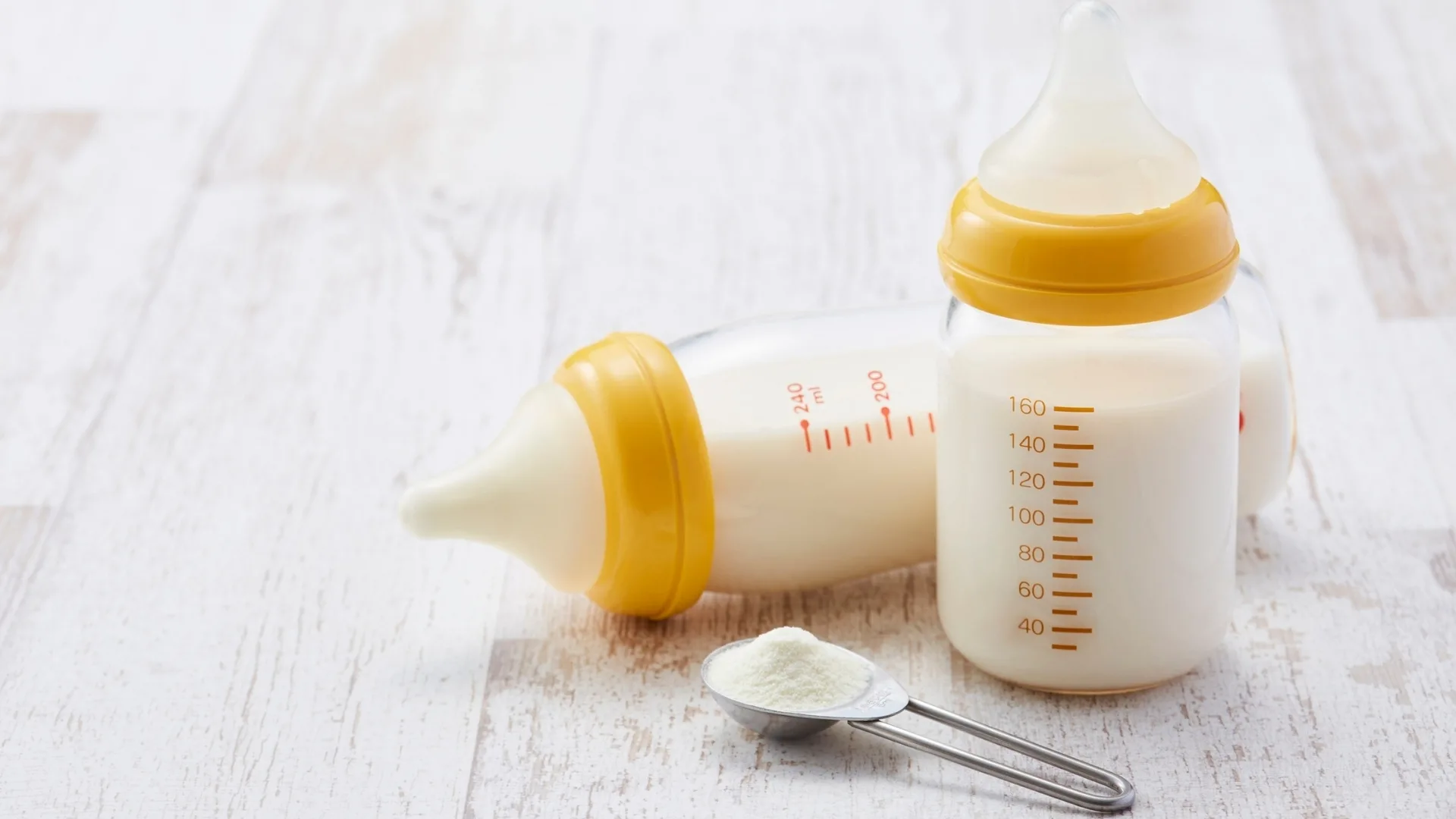
Price tags can feel like a promise of better nutrition, especially when feeding challenges bring extra worry. Medical evidence shows that cost alone does not determine formula quality. Infant formula is regulated under strict pediatric nutrition standards, which means babies receive consistent macronutrients and micronutrients, whether the tin is premium or store brand.
Medical, regulatory, and behavioral factors influencing how parents perceive formula quality include:
- FDA Nutrient Standards: Infant formula sold in the United States must meet nutrient specifications under the Infant Formula Act, including minimum protein quality, essential fatty acids, iron levels, and vitamin stability testing across shelf life.
- Labeling and Structure Function Claims: Words such as “advanced,” “premium,” or “brain support” are structure-function marketing terms. They describe ingredient positioning rather than clinical superiority or pediatric treatment classification.
- Hospital Feeding Protocols: Many hospitals provide starter formulas based on supply agreements or availability rather than long-term clinical preference, so discharge feeding plans may change after pediatric follow-up.
- Generic Formula Manufacturing: Several store brands are produced by large contract manufacturers that follow the same FDA Current Good Manufacturing Practices (cGMP), meaning safety testing standards remain consistent across price tiers.
- International Formula Differences: EU and U.S. formulas differ mainly in ingredient sourcing rules and staging labels. Within each region, formulas must still meet regulated nutrient ranges for infant growth and development.
Choosing a formula works best when guided by a pediatrician’s assessment of symptoms, growth charts, and diagnosis rather than price alone. A thoughtful feeding plan supports both the baby’s health and family finances.
Not sure if feeding discomfort could be linked to an allergy? Learn what symptoms pediatricians watch for in 4 Signs to Look for to See if Your Baby Has a Cows’ Milk Allergy
Why Hypoallergenic and Amino Acid Formulas Cost More
When a baby has CMPA (cow’s milk protein allergy), severe reflux, or GI conditions, pediatricians may recommend formulas that function almost like medical nutrition therapy. These specialized formulas require advanced protein processing, clinical validation, and strict safety monitoring, all of which contribute to higher monthly costs for families.
Medical, manufacturing, and regulatory factors that influence the higher pricing of hypoallergenic and amino acid formulas include:
- Extensively Hydrolyzed Protein Processing: “Extensively hydrolyzed” means milk proteins are enzymatically broken into tiny peptides, reducing immune reactions in CMPA while requiring precision filtration and multiple purification stages.
- Amino Acid Isolation Technology: Amino acid formulas contain individual protein building blocks rather than whole proteins. Producing pharmaceutical-grade amino acids demands sterile facilities and complex blending protocols.
- Exempt Formula Classification: The FDA classifies many specialty formulas as “exempt infant formulas,” meaning they are designed for medical conditions and undergo additional clinical review for safety and therapeutic use.
- Clinical Trial and Tolerance Testing: Manufacturers conduct tolerance studies measuring symptom reduction, growth velocity, and stool markers to meet pediatric gastroenterology standards before release.
- Low Volume Medical Demand: Smaller patient populations, such as infants with eosinophilic esophagitis or malabsorption disorders, reduce production scale, increasing per-unit manufacturing and distribution costs.
Higher pricing reflects therapeutic design rather than brand prestige. When prescribed for medical necessity, insurance authorization often shifts costs away from families while keeping feeding plans safe for the little one.
Still unsure which therapeutic formula fits your little one’s needs or how coverage works? Start with a simple, parent-friendly guide: Specialty Baby Formula 101
Ways Parents Can Reduce Formula Costs Safely
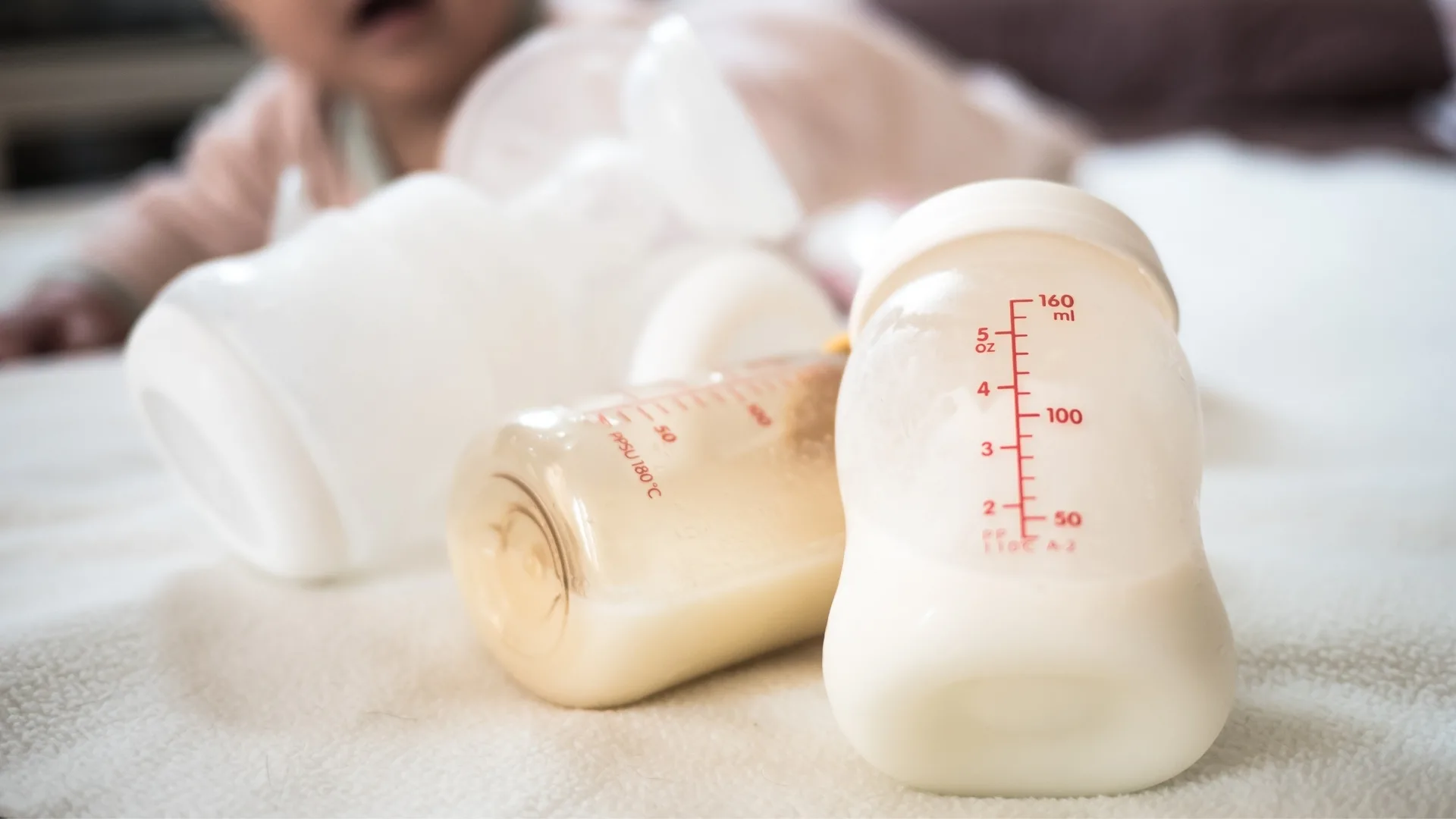
Feeding budgets often stretch thin when a baby depends on consistent bottles each day. Cost control works best when it focuses on logistics, storage, and insurance processing, rather than switching formulas unnecessarily. Small operational adjustments, supported by pediatric guidance, can lower spending without affecting growth or tolerance.
Operational feeding and coverage tactics that reduce formula spending while maintaining medical safety include:
- Prior Authorization Timing Strategy: Submit prior authorization before the current supply runs low. Insurers review medical necessity codes like CMPA or GERD, preventing emergency retail purchases at full price.
- DME Supplier Enrollment: Durable Medical Equipment suppliers ship formula monthly under insurance benefits. DME means medically supplied nutrition, often billed under Healthcare Common Procedure Coding System (HCPCS) codes rather than pharmacy pricing.
- Batch Preparation With Pitcher Method: Preparing daily bottles using a sanitized pitcher reduces powder waste from repeated scooping errors while maintaining correct caloric density.
- Shelf-Life Rotation Planning: Track “use-by” dates and rotate unopened cans. Preventing expired product loss avoids replacing costly specialty formula out of pocket.
- Growth Chart Reassessment Visits: Regular weight checks allow pediatricians to adjust prescribed volume. Preventing over-ordering aligns shipments with actual intake, reducing unused inventory.
Thoughtful planning around insurance workflows and feeding logistics lowers costs without changing the baby’s medically recommended formula. Consistent pediatric follow-up keeps nutrition and budgeting balanced.
How Insurance Can Cover Baby Formula
When a baby needs specialty nutrition for allergies, reflux, or metabolic conditions, formula may be classified as medical nutrition therapy rather than regular food. Insurance plans review medical documentation to decide whether coverage applies. Knowing how the process works helps parents move from retail pricing to medically approved supply pathways that reduce out-of-pocket stress.
Core insurance processes and clinical requirements that determine formula coverage eligibility include:
- Medical Necessity Documentation: Pediatricians submit chart notes describing symptoms and diagnosis. “Medical necessity” means treatment required to manage conditions like CMPA, GERD, or malabsorption.
- Exempt Infant Formula Classification: Exempt formulas are specialized products designed for medical disorders. This FDA category allows insurers to treat formula as a covered therapeutic nutrition product.
- ICD-10 Diagnosis Coding: ICD-10 codes are standardized medical labels insurers use. Examples include K21.9 for reflux or Z91.011 for milk allergy, supporting coverage justification.
- Medicaid and WIC Coordination: WIC supplies standard formula vouchers, while Medicaid often pays for higher-cost therapeutic formulas once medical documentation confirms clinical need.
- Prior Authorization Review Process: Prior authorization means insurers approve treatment before coverage begins. Clinical notes, growth charts, and feeding history are reviewed to verify eligibility.
Insurance coverage transforms formula from a grocery expense into a medically supported therapy when proper documentation is in place. A pediatrician’s prescription and clear diagnosis often open the door to consistent, covered feeding support.
If your family uses military health benefits, learn how prescriptions, approvals, and shipments work step by step with Tricare Baby Formula Coverage
Best Baby Formula Covered By Insurance

Insurance plans usually approve a formula based on clinical diagnosis, digestive tolerance, and nutritional goals, not popularity or price. Pediatricians match a baby’s symptoms, lab findings, and feeding history to a therapeutic formula category so coverage aligns with medical necessity and growth support.
Insurance-approved formula categories commonly prescribed for specific pediatric conditions include:
- Extensively Hydrolyzed Hypoallergenic Formulas: Nutramigen or Alimentum contain peptides, meaning partially broken proteins that reduce antigen exposure in infants with confirmed CMPA.
- Amino Acid Therapeutic Formulas: PurAmino, EleCare, and Neocate use elemental amino acids, supporting infants with eosinophilic esophagitis or severe protein intolerance requiring fully nonallergenic nutrition.
- Soy Protein Medical Alternatives: ProSobee or Soy Isomil replace lactose-containing dairy proteins with soy isolate. Pediatricians evaluate stool patterns and allergy history before recommending.
- Anti-Reflux Thickened Formulas: Enfamil A.R. contains rice starch that increases viscosity, helping decrease regurgitation frequency in infants diagnosed with gastroesophageal reflux disease.
- Metabolic and Preterm Nutrition Formulas: Pregestimil includes MCT oil for fat absorption disorders, while NeoSure or EnfaCare provides 22 kcal per ounce to support premature infant catch-up growth.
Insurance approval focuses on diagnosis-driven nutrition rather than marketing labels. Pediatric evaluation and documented symptoms guide which formula becomes the safest covered option.
Final Thoughts!
Feeding decisions carry a lot of emotion, and it is natural to want clarity when costs feel unpredictable. Many families find relief once they realize there are structured pathways designed to support babies who need specialized nutrition. Small steps, steady guidance, and the right resources can turn a stressful process into something much more manageable.
If you are feeling unsure about the next move, support is closer than it seems. Programs like Insurance Covered Baby Formula exist to help parents simplify approvals, shipments, and ongoing feeding needs without added pressure.
Reach out to us today and let caring experts help you move forward with confidence and reassurance for your little one.
FAQs
1. Why is baby formula so expensive, even when ingredients seem simple?
Infant formula is regulated like medical nutrition, not regular food. Manufacturers must meet strict nutrient stability testing, which means every batch undergoes lab verification before reaching shelves.
2. Can insurance cover formula if my baby does not have a formal allergy diagnosis yet?
Sometimes, yes. Pediatricians may document symptoms such as reflux, poor weight gain, or suspected CMPA. Insurers review clinical notes and growth charts before approving medically necessary feeding support.
3. Why is baby formula so expensive for reflux or sensitive-tummy babies compared to standard formula?
Reflux formulas often include thickening agents or modified proteins that require extra processing steps. Those changes affect manufacturing complexity and raise per-ounce pricing.
4. Does switching from ready-to-feed bottles to powder lower monthly costs, actually?
Ready-to-feed means pre-mixed sterile formula, which increases packaging and transport expenses. Powder formulas usually reduce cost per ounce once mixing instructions are followed accurately.
5. Are metabolic or amino-acid formulas automatically covered under Insurance Covered Baby Formula programs?
Not automatically. Coverage depends on diagnosis codes, pediatric prescriptions, and insurer review. Once approved, these programs often coordinate shipments so parents avoid repeated retail purchases.