



Feeding decisions can bring up a lot of questions, especially when parents start exploring options like soy milk formula infants after noticing changes in feeding comfort or tolerance. Clear, practical information helps families understand when soy-based feeding may be considered and how it differs from standard or hypoallergenic formulas.
Learning about soy milk formula for infants does not have to feel complicated. With the right context, families can feel more confident as they look at nutrition needs, coverage pathways, and feeding choices that support steady growth.
In this guide, you will learn when soy formula may be considered, how it compares to other options, and how families can access covered formulas with less stress.
Key Takeaways
- Soy milk formula for infants is usually recommended for specific needs like galactosemia, lactose intolerance, or plant-based nutrition plans.
- Soy protein isolate replaces dairy proteins, meaning digestion, mineral absorption, and stool patterns may differ compared to standard milk-based formula.
- Soy formulas are often avoided in premature infants and may not work for some CMPA cases due to possible cross-reactivity with soy proteins.
- Plans like Tricare or BCBS may cover soy-based formulas when prescriptions, diagnosis documentation, and prior authorization confirm clinical need.
- Soy provides plant-based nutrition, while eHF or AAF formulas break proteins into smaller units to reduce immune-triggered reactions.
What Is Soy Milk Formula for Infants and How Does It Work
Soy milk formula for infants is a dairy-free nutrition designed to replace cow’s milk protein with soy protein isolate, a purified plant protein taken from soybeans. Its function is not only to swap ingredients but to adjust digestion, nutrient absorption, and metabolism so babies with specific feeding needs can still receive complete nutrition.
Because soy behaves differently in the body, manufacturers modify the formula with added amino acids, minerals, and specialized carbohydrates to support growth safely.
How soy milk formula works inside a baby’s body:
- Protein Breakdown And Digestion: Soy protein isolate means protein purified from soybeans; added amino acids like taurine support brain development and help babies process nutrients efficiently.
- Lactose-Free Energy Replacement: Lactose is milk sugar; soy formulas replace it with glucose polymers, complex sugars that provide energy without triggering galactosemia, a condition blocking galactose metabolism.
- Iron Absorption Compensation: Phytic acid, a natural soy compound, reduces mineral absorption; formulas include higher iron levels so red blood cell production stays normal.
- Isoflavone Hormone Signaling: Isoflavones are plant compounds similar in shape to estrogen; they attach to estrogen receptors but act much more weakly, influencing tissue signaling during growth.
- Fat Absorption And Brain Support: Vegetable oil blends supply essential fatty acids, meaning fats the body cannot make on its own, which support retinal and neurological development.
Soy milk formula works by restructuring how proteins, sugars, and fats are delivered so babies who cannot tolerate dairy can still absorb nutrients effectively. Feeding choices should always be discussed with a pediatrician to match a baby’s individual medical needs.
Learn the early feeding clues and gentle signs that may point to sensitivity in 4 Signs to Look for to See if Your Baby Has a Cows’ Milk Allergy.
When Would a Baby Need Soy Milk Formula?


Soy milk formula is usually considered only when specific medical or feeding situations make standard dairy-based formulas unsuitable. Knowing the exact reason behind a recommendation helps parents feel more confident and avoids unnecessary formula switching.
Common situations where soy milk formula may be considered include:
- Classical Galactosemia Diagnosis: Galactosemia means the body cannot process galactose, a milk sugar; lactose-free soy formula prevents harmful sugar buildup.
- Congenital Lactase Deficiency: Congenital means present at birth; lactase deficiency refers to the missing enzyme needed to digest lactose, often causing severe diarrhea with milk feeds.
- CMPA Alternative Feeding: CMPA stands for cow’s milk protein allergy, an immune response to dairy proteins; soy may be considered when specialized hypoallergenic formulas are not tolerated.
- Plant-Based Feeding Requirements: Vegan or religious feeding plans avoid animal products; soy formula provides complete protein nutrition without dairy ingredients.
- Feeding Acceptance Challenges: Some infants refuse hydrolyzed formulas due to strong taste; soy-based options may improve feeding acceptance in select situations.
Soy milk formula is usually recommended for specific clinical or lifestyle reasons rather than routine feeding changes. Thoughtful planning helps keep transitions calm while supporting safe growth and comfort.
Is Soy Formula Good for Infants? Benefits and Considerations
Parents often hear mixed opinions about soy formula, which can make decisions feel overwhelming. Soy infant formula can be a good option when used for clear reasons, but it works differently from standard or hypoallergenic formulas. Looking at both the advantages and the limits helps families understand when it may fit into a feeding plan.
Important benefits and practical considerations parents usually weigh:
- Stable Stool Patterns: Some babies experience firmer stools because soy formulas contain different carbohydrate blends that slow intestinal water movement.
- Sweetness and Feeding Acceptance: Many soy formulas use corn syrup solids, meaning glucose-based sugars that can make the taste milder compared to hydrolyzed formulas.
- Lower Cost Compared To Elemental Options: Amino acid formulas, called AAF, are highly specialized and expensive; soy formulas are often more affordable when medically appropriate.
- Not Designed For Premature Infants: Premature means born early; soy formulas may affect calcium absorption, so other medical formulas are usually preferred for bone growth support.
- Medication Timing Awareness: Certain medicines, especially thyroid hormone treatments, may require adjusted feeding schedules because soy proteins can bind to medications in the gut.
Soy formula can be helpful in the right context, yet it is not a one-size-fits-all solution. Careful evaluation of feeding needs and symptoms helps families decide whether it feels like the right fit.
Get a clear, parent-friendly breakdown of formula types, feeding needs, and coverage basics in Specialty Baby Formula 101.
Common Feeding Challenges That Lead Parents to Infant Formula Soy-Based

Feeding struggles can feel overwhelming when symptoms overlap. Many families begin looking at infant formula soy-based options when milk formulas do not seem to suit their baby. Certain digestive patterns or lifestyle needs may lead providers to consider soy because it uses plant protein and lactose-free carbohydrates.
Why parents start considering soy-based formula:
| Feeding Challenge | What It Means (Simple Explanation) | Why Soy-Based Formula May Be Considered |
| Persistent Lactose Malabsorption | Low lactase enzyme activity prevents lactose digestion, causing bloating or watery stools. | Lactose-free carbohydrate sources reduce osmotic diarrhea, meaning fluid shifts triggered by undigested sugars. |
| Non-IgE Mediated Feeding Intolerance | Delayed gut reactions without hives; “non-IgE” means an immune response not driven by immediate allergy antibodies. | Plant-derived protein may limit exposure to intact milk proteins that irritate the intestinal lining. |
| Post-Feed Diarrhea Syndromes | Frequent loose stools after feeds are linked to transient enteropathy, a temporary inflammation of the gut lining. | Alternative carbohydrate blends may help stabilize stool patterns while maintaining calorie intake. |
| Familial Plant-Based Feeding Choices | Families avoiding animal products for ethical or cultural reasons seek nutritionally complete options. | Soy provides complete protein profiles without dairy-derived ingredients, supporting balanced plant-based feeding. |
| Feeding Aversion With Milk Taste Profiles | Oral aversion means refusal linked to taste or sensory discomfort during feeding experiences. | Different flavors and protein structures may improve acceptance when milk-based formulas are consistently refused. |
Infant formula soy-based decisions usually begin with identifying the underlying feeding challenge rather than switching formulas randomly. A thoughtful approach helps keep feeding changes steady while supporting comfort and growth.
Learn how specialized nutrition can support your baby’s unique feeding needs and explore practical guidance in Specialty Baby Formula: Everything You Need to Know
Soy-Based Infant Formula Brands Available Through Insurance
Some soy-based formulas are commonly discussed when families explore insurance-covered feeding options. Coverage usually depends on documented feeding needs and a prescription confirming medical necessity, which means the formula is required for health reasons rather than preference.
1. Enfamil ProSobee
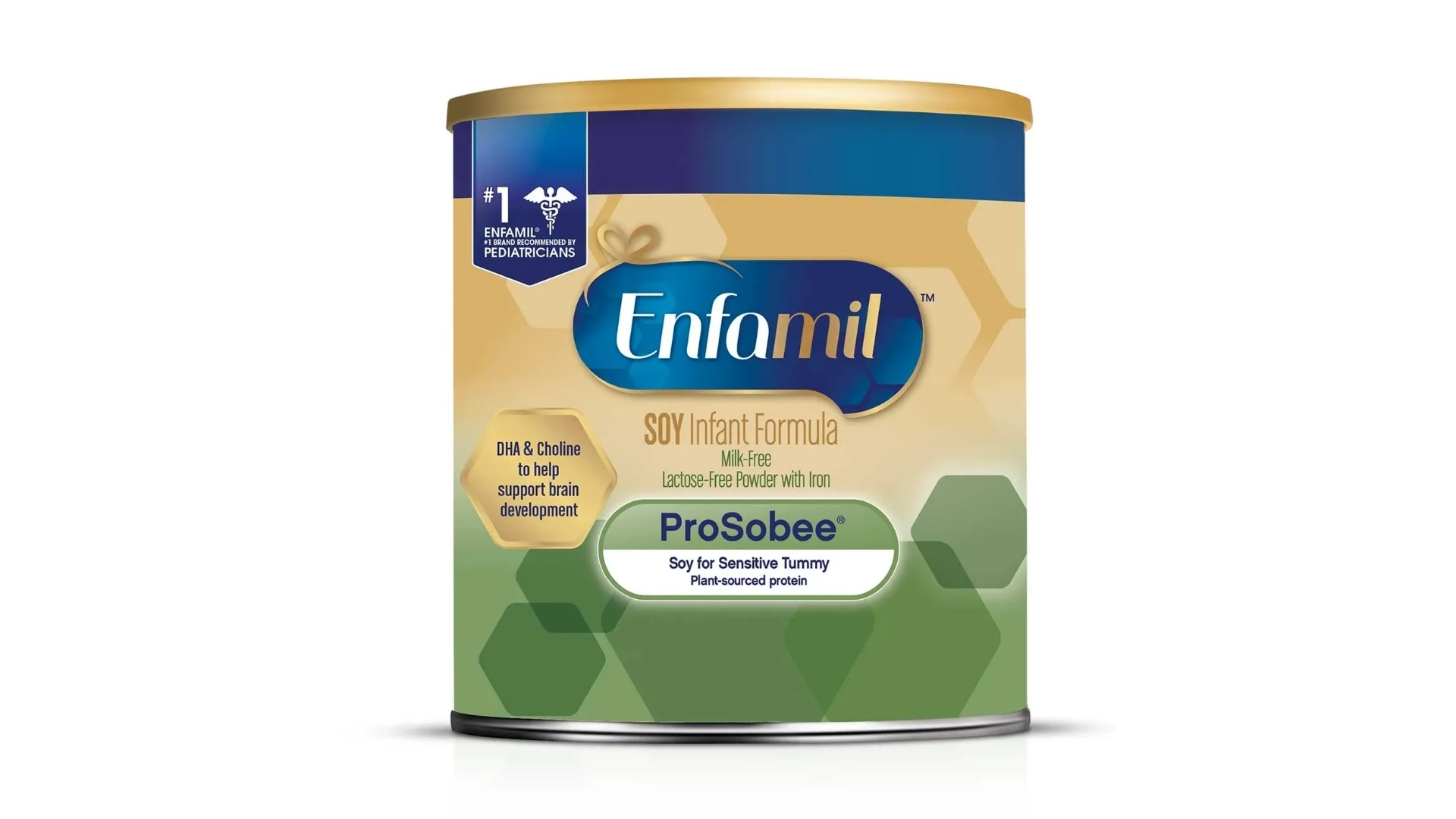
A milk-free infant formula made with soy protein isolate, designed for babies who need a lactose-free feeding option while maintaining complete nutrition for the first year.
- Iron-fortified to support healthy hemoglobin levels, meaning proper oxygen delivery in the blood
- Uses a vegetable oil blend for essential fatty acids supporting brain and eye development
- Lactose-free carbohydrate system to reduce digestive stress linked to milk sugars
Ideal use for: Babies experiencing milk sugar intolerance, plant-based feeding preferences, or mild digestive fussiness.
2. Similac Soy Isomil
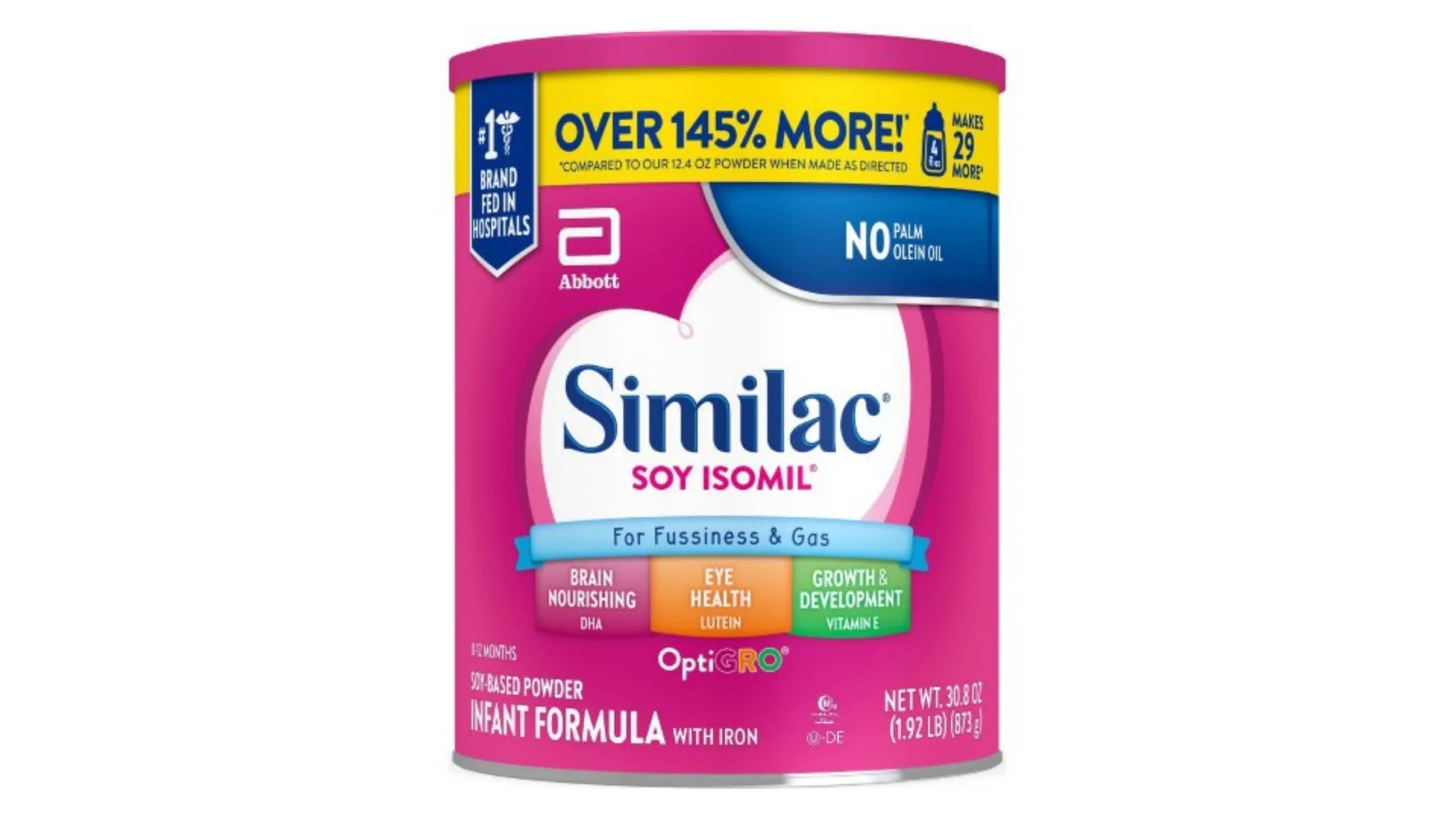
A soy-based infant formula created to provide gentle digestion support while maintaining balanced nutrition for growing infants.
- Contains prebiotic FOS (fructooligosaccharides), fibers that help nourish beneficial gut bacteria
- Vegetarian-friendly protein source without dairy ingredients
- Balanced mineral profile designed to support bone development during infancy
Ideal use for: Infants needing a dairy-free option with digestive support while maintaining routine growth milestones.
3. Gerber Good Start Soy
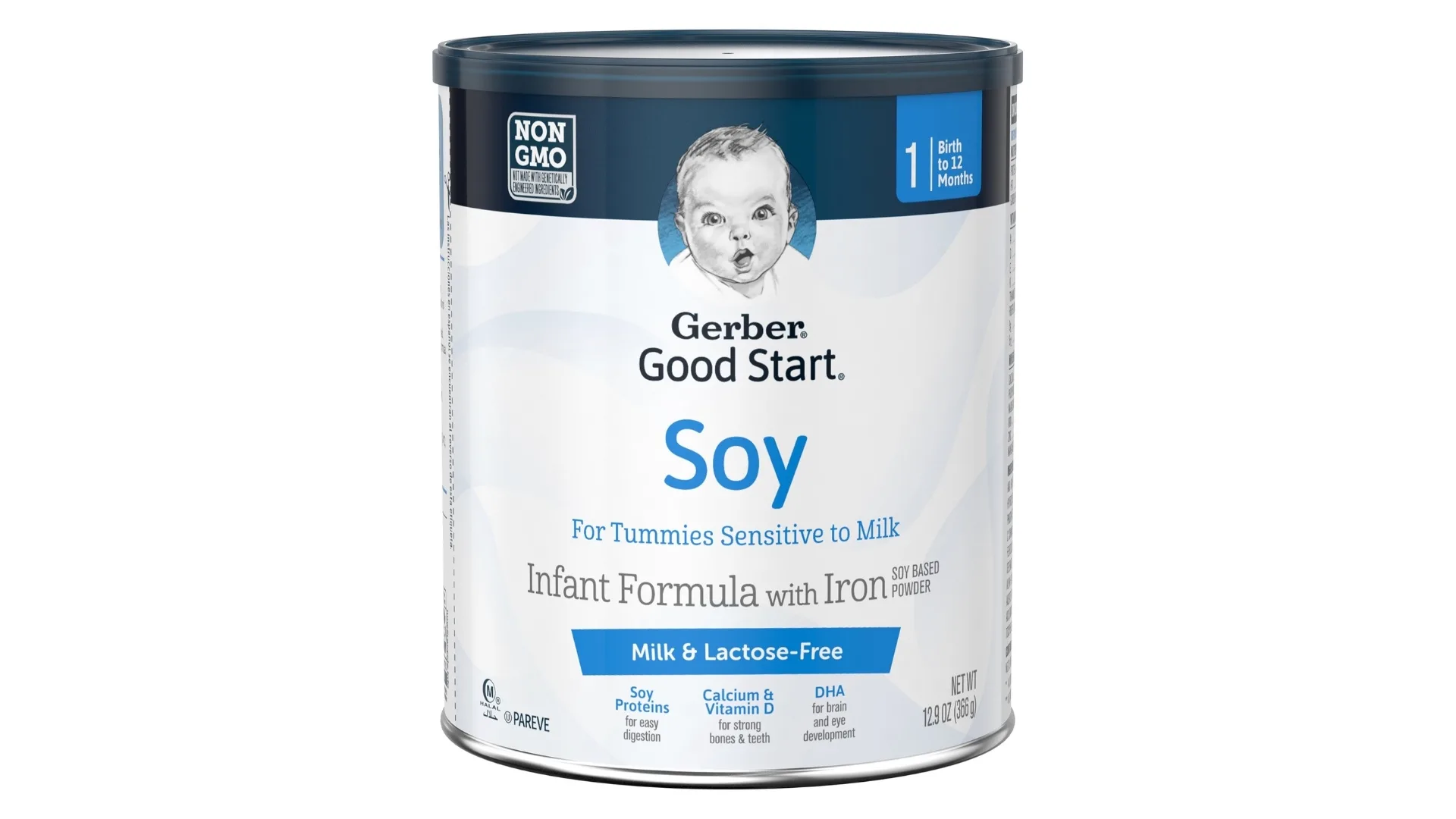
A lactose-free soy formula focused on digestive comfort and easy feeding acceptance, with added nutrients that support early development.
- DHA is included for retinal and neurological development
- Milk-free formulation designed for sensitive digestion
- Balanced macronutrient profile supporting steady calorie intake
Ideal use for: Babies showing feeding discomfort with milk-based formulas or families choosing a soy-based nutrition path through insurance coverage.
Insurance approval often depends on documented feeding symptoms, growth tracking, and a signed prescription confirming medical necessity. Coverage details vary by plan, so reviewing eligibility early can help keep the process smooth and supportive.
Soy Formula for Babies vs Hypoallergenic Formula Options
Choosing between soy formula and hypoallergenic formula usually depends on a baby’s diagnosis, feeding response, and symptom pattern. Both replace standard milk-based feeding, yet they work in different ways. Soy formulas use plant protein, while hypoallergenic formulas break milk protein into smaller pieces to reduce immune reactions.
What parents often compare when deciding between soy and hypoallergenic options:
| Comparison Area | Soy Formula For Babies | Hypoallergenic Formula Options |
| Protein Structure Explained | Uses soy protein isolate, meaning plant-based protein purified from soybeans. | eHF means extensively hydrolyzed formula; protein broken into small peptides. AAF means amino acid formula with fully separated protein units. |
| Primary Feeding Indications | Often considered for galactosemia or plant-based feeding preferences. | Commonly used for CMPA, causing immune-driven gut symptoms. |
| Allergy Cross-Reactivity Risk | Some infants with CMPA may react to soy proteins; the risk is higher in non-IgE gut allergies. | Designed to reduce immune triggering because proteins are already partially or fully broken down. |
| Taste And Feeding Acceptance | Typically milder flavor profile, which may support feeding acceptance. | Hydrolyzed or amino acid formulas can taste bitter due to protein breakdown processes. |
| Cost And Insurance Pathways | Often less expensive but still requires medical necessity for coverage approval. | Usually higher cost; insurers may require a documented allergy diagnosis before authorization. |
The right formula depends on symptoms, diagnosis, and feeding response rather than preference alone. Careful planning helps keep feeding changes steady while supporting safe growth and comfort.
Concerns Parents Hear About Soy Milk Formula for Infants
Questions around soy milk formula often come from online forums, family advice, or confusing headlines. Many concerns sound alarming, yet most relate to scientific terms that need a clear, simple explanation before any feeding decision is made.
Topics families frequently ask about when discussing soy milk formula safety and long-term effects:
- Phytoestrogens and Isoflavones: Phytoestrogens are plant compounds that resemble estrogen in structure. Isoflavones like genistein attach to estrogen receptors but act much more weakly than human hormones.
- CMPA and Cross-Reactivity: Cross-reactivity describes the immune system reacting similarly to soy proteins because they resemble dairy proteins.
- Congenital Hypothyroidism and Levothyroxine: Congenital hypothyroidism is low thyroid hormone at birth. Levothyroxine is a replacement medication, and soy may reduce its absorption, requiring monitoring.
- Non-IgE Digestive Reactions: IgE refers to allergy antibodies, causing immediate symptoms. Non-IgE reactions involve slower gut symptoms like mucus stools or ongoing feeding discomfort.
- Bone Mineralization and Aluminum Levels: Bone mineralization means building strong bones using calcium and phosphorus. Higher aluminum exposure may interfere with this process in vulnerable infants.
Most concerns reflect how soy formula interacts with specific medical conditions rather than everyday feeding risks. Any feeding decision should be reviewed with a qualified healthcare provider to support safe growth and comfort.
Understand your options, check eligibility steps, and see how families access support through Tricare Baby Formula Coverage.
How Insurance Covered Baby Formula Simplifies the Process for Families
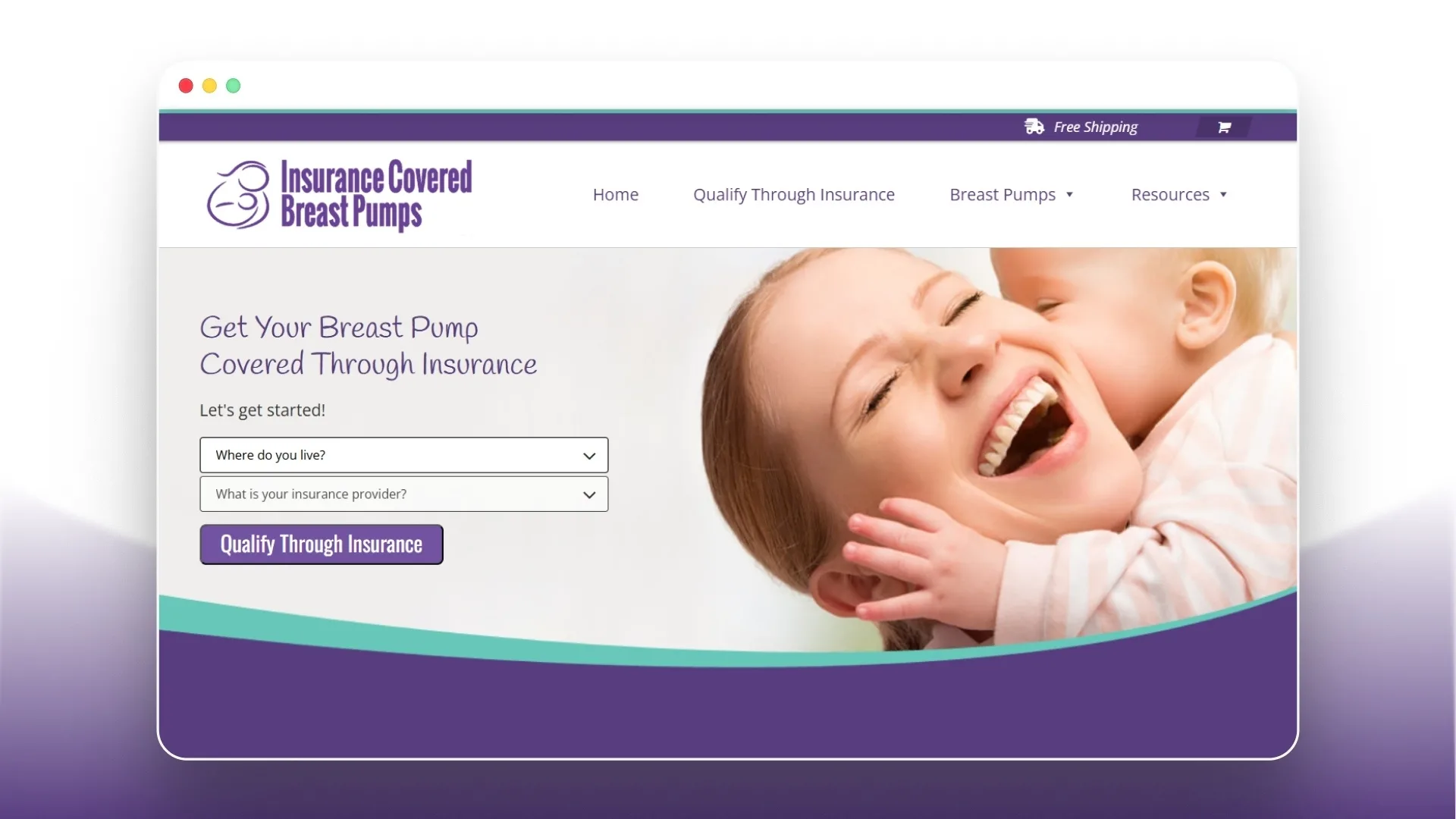
Managing specialty formula alongside insurance paperwork can feel overwhelming when families are already focused on feeding schedules and baby comfort. Insurance Covered Baby Formula helps organize verification, ordering, and shipping into one clear process so parents spend less time navigating policies and more time caring for their little one.
Support services that make insurance-based formula access easier for families:
- Insurance Eligibility Verification: Primary insurance provider details are checked first; verification confirms benefits under plans like Tricare or BCBS, meaning coverage is validated before orders begin.
- Guided Qualification Process: The online “Qualify Through Insurance” form gathers feeding needs and location data to determine if the specialty formula meets medical necessity requirements.
- In-Network Billing Management: In-network means the supplier already has agreements with insurers, allowing direct billing instead of families paying upfront and requesting reimbursement.
- Order Assistance and Customer Support: Dedicated order assistance helps parents track documentation, shipment status, and coverage updates without managing insurer communication alone.
- Free Shipping Coordination: Once approved, the formula ships directly to the home, reducing repeated pharmacy visits and ensuring consistent supply during ongoing feeding plans.
A structured insurance process can remove many of the logistical barriers families face when securing specialty formula. Feeding choices and documentation should always be reviewed with a pediatrician to keep care aligned with a baby’s needs.
Final Thoughts
Every feeding path looks different, and sometimes clarity comes from slowing down and looking at what truly supports your baby’s comfort and growth. Small adjustments, thoughtful guidance, and the right nutrition plan can bring a sense of calm back into daily routines. When parents feel informed, decisions begin to feel lighter and steadier, even during uncertain moments.
If navigating coverage or formula options feels overwhelming, Insurance Covered Baby Formula can help simplify the process while keeping your baby’s needs at the center. Support is available to walk through the next steps, answer questions, and make access feel less complicated.
When you feel ready to explore options or need gentle guidance, reach out to us today.
FAQs
1. Can soy milk formula infants develop different stool patterns compared to dairy formula?
Yes. Soy infant formula often leads to firmer, tan-green stools because plant protein digests differently. This change is usually normal unless stools become hard or painful.
2. Do soy-based infant formula brands contain lactose at all?
No. Infant formula soy-based options are naturally lactose-free. Lactose is milk sugar, so soy formulas use alternative carbohydrates to provide energy without dairy.
3. Is soy formula good for infants with reflux or spit-up issues?
Not always. Soy formula for babies is not specifically designed for reflux (GERD, meaning acid coming back up the esophagus). Thickened formulas are sometimes considered first instead.
4. How do parents choose the best soy-based infant formula through insurance?
Coverage often depends on documented feeding needs, age, and diagnosis. Insurance providers may review prescriptions and growth notes before approving soy milk formula for infants.
5. Can switching to a soy milk formula for infants affect medication timing?
Yes. Soy proteins may bind to certain medications, especially thyroid treatments like levothyroxine. Doctors may recommend spacing feeds and medicine to maintain proper absorption.